Ophthalmic Ointment Manufacturer: What to Look for in a Trusted Partner
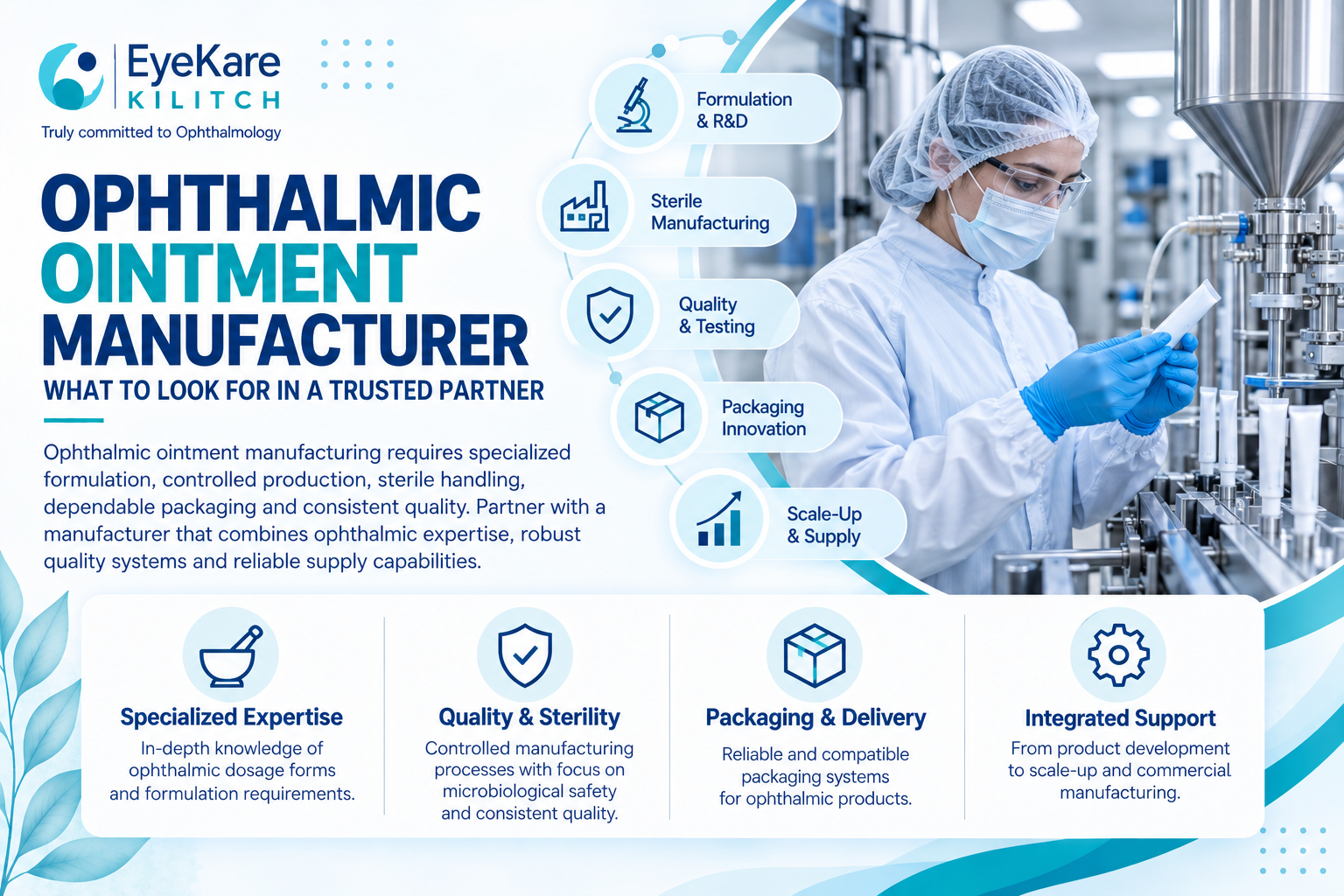
When selecting an Ophthalmic Ointment Manufacturer, pharmaceutical companies, hospitals, distributors, and healthcare brands need more than production capacity. Ophthalmic products require careful formulation, controlled manufacturing, sterile handling, dependable packaging, and consistent quality because they are intended for use around one of the body’s most sensitive organs. A capable manufacturer should combine pharmaceutical expertise with robust quality systems and an understanding of ophthalmic dosage forms.
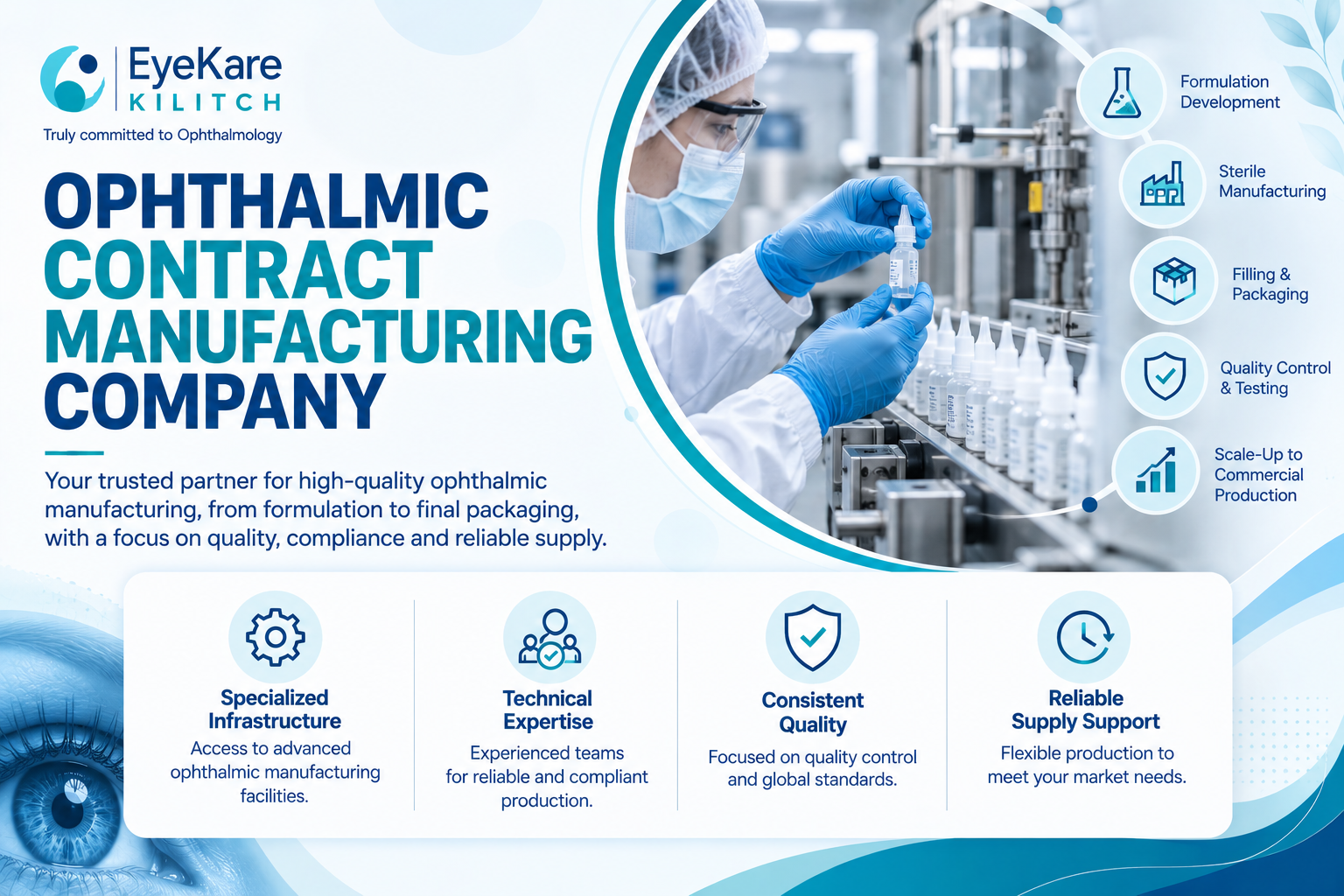
EyeKare Kilitch focuses on ophthalmology and develops and manufactures a broad portfolio of eye-care solutions. Its approach combines in-house development, manufacturing excellence, quality systems, and innovation to support reliable ophthalmic care. For businesses evaluating a manufacturing partner, these capabilities can provide a useful benchmark when comparing suppliers and contract manufacturing options.
Why Ophthalmic Ointment Manufacturing Requires Specialized Expertise
Ophthalmic ointments are different from many conventional topical pharmaceutical products. Their formulation must be suitable for application to the eye and should provide the intended therapeutic effect while maintaining appropriate consistency, stability, and tolerance. The manufacturing process therefore requires close attention to raw-material quality, formulation controls, microbiological safety, filling, packaging, storage, and batch-to-batch consistency.
A specialized manufacturer understands that even small variations can affect product performance. Factors such as viscosity, homogeneity, particle characteristics, compatibility with packaging, and stability need to be evaluated during development and production. Appropriate documentation and quality-control testing are also essential for maintaining a reproducible manufacturing process.
Key Capabilities to Evaluate in an Ophthalmic Manufacturing Partner
A strong partner should have capabilities covering the full product lifecycle, from formulation development to finished-product quality. This helps reduce coordination gaps and supports greater consistency.
In-House Research and Development
An experienced ophthalmic manufacturer should have formulation and analytical expertise to support product development, optimization, and scale-up. EyeKare Kilitch highlights its team of more than 50 scientists working across research and development and quality-control functions. Such technical depth can help manufacturers evaluate formulation requirements, production challenges, and quality attributes before commercial manufacturing. Companies can explore the to understand the breadth of its ophthalmology-focused offering.ophthalmic product portfolio
Quality and Manufacturing Infrastructure
Infrastructure is another important consideration. EyeKare Kilitch states that its products are manufactured in-house at a facility designed around international manufacturing standards. For ophthalmic products, controlled environments, validated processes, trained personnel, appropriate equipment, and documented quality procedures are important elements of a dependable manufacturing system.
Sterility and Microbiological Safety
Ophthalmic preparations demand rigorous attention to microbiological quality. Manufacturing controls should cover material handling, processing, filling, packaging, environmental monitoring, and testing as applicable to the dosage form. A manufacturer with established sterile-product expertise is better positioned to manage these requirements consistently.
Packaging and Delivery-System Innovation
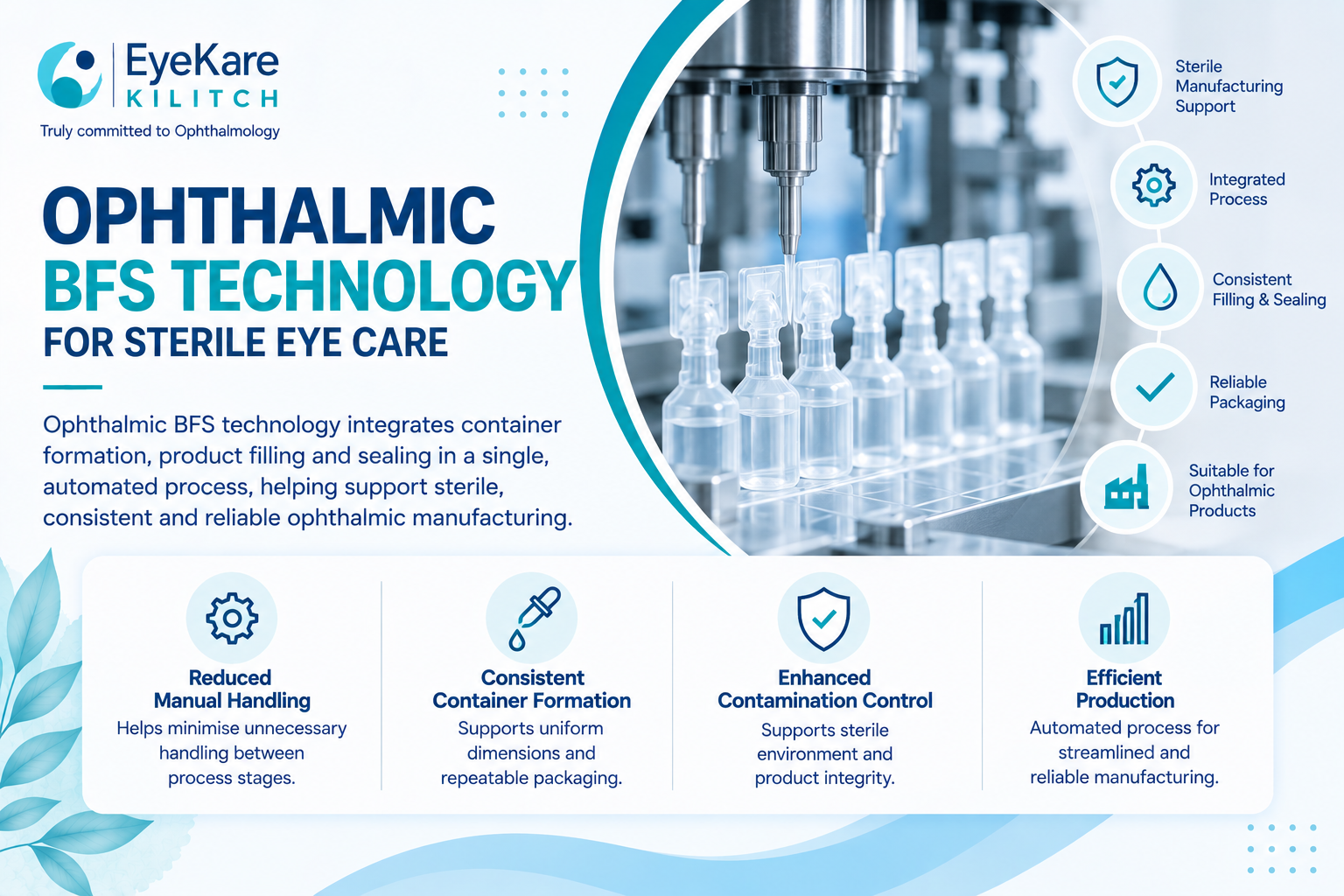
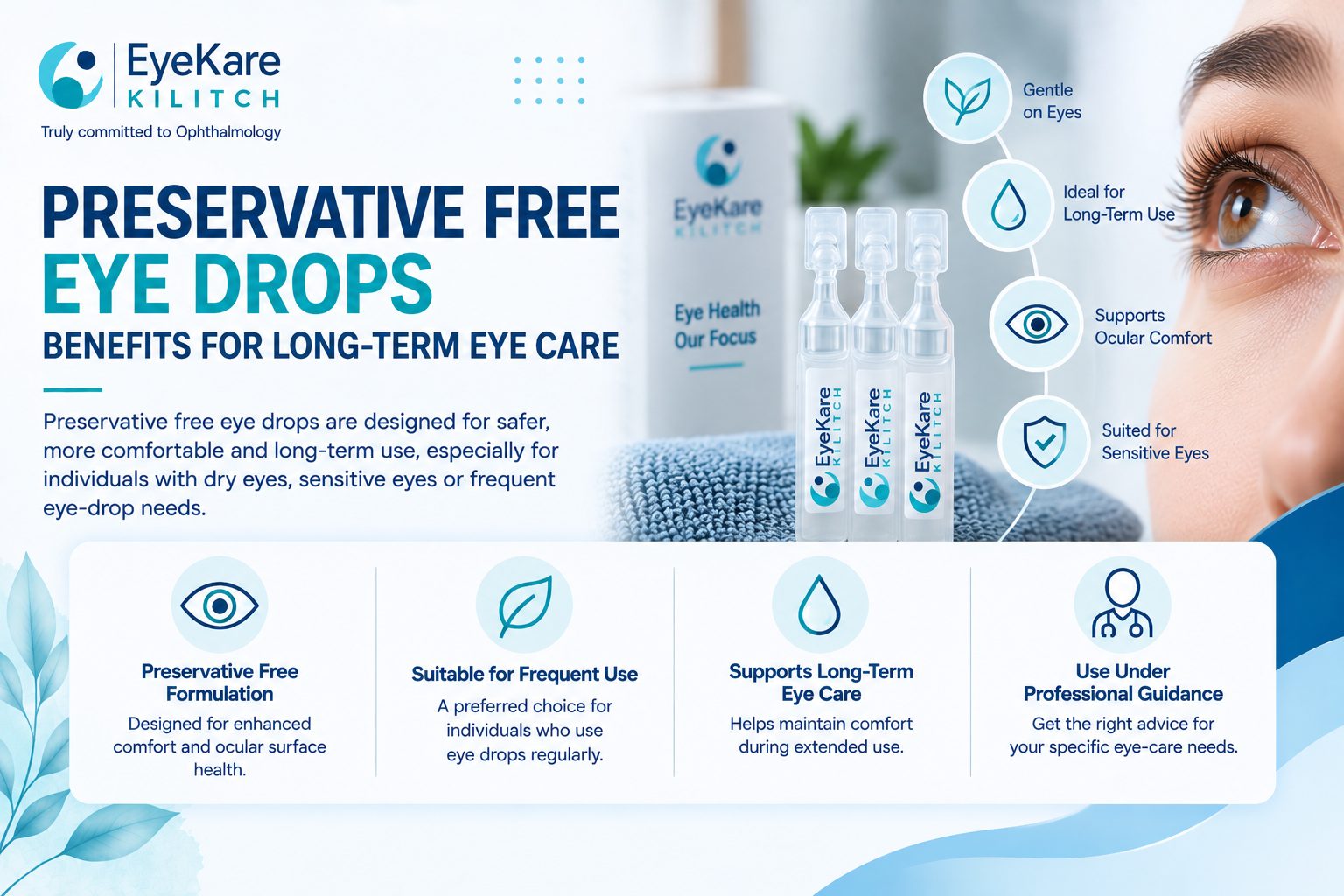
The packaging system can be an important part of ophthalmic product performance. EyeKare Kilitch has developed and adopted technologies focused on preservative-free delivery, microbiological protection, and precise dosing. Its website describes technologies including a multi-dose preservative-free system, a metered-dose preservative-free system, and specialized sterile packaging approaches. These examples demonstrate why manufacturers should evaluate packaging and delivery technology alongside the formulation itself. Reviewing EyeKare Kilitch’s ophthalmic innovations can help businesses understand how delivery technology can complement formulation development.
Ointment, Gel, and Alternative Ophthalmic Dosage Forms
Although ointments remain an established ophthalmic dosage form, formulation development increasingly considers patient convenience and application experience. EyeKare Kilitch describes its Gel Drop Technology as an approach intended to address some limitations associated with oil- or paraffin-based ointments, while providing retention comparable to ointment in suitable applications.
This broader formulation perspective is valuable for companies planning new products. Depending on the active ingredient, therapeutic objective, target patient group, and intended use, a manufacturer may help assess whether an ointment, gel, suspension, solution, or another delivery format is appropriate. The final dosage form should always be selected through qualified pharmaceutical development and regulatory processes.
Benefits of Working With a Specialized Ophthalmic Manufacturer
Partnering with a specialist can simplify several stages of product development and commercialization. A manufacturer with ophthalmic expertise can bring established technical knowledge, quality processes, production infrastructure, and packaging experience to a project.
For pharmaceutical businesses, this can support more efficient technology transfer, smoother scale-up, and better control over manufacturing consistency. It can also help organizations address the specialized requirements of ophthalmic formulations rather than adapting systems designed primarily for other dosage forms.
A specialist can also contribute to portfolio development. EyeKare Kilitch’s product range covers multiple ophthalmic categories, including lubricants, NSAIDs, glaucoma-related products, anti-infective formulations, and other eye-care solutions. This breadth indicates the value of choosing a partner with experience across different therapeutic and formulation requirements.
Contract Manufacturing and Private-Label Considerations
For companies seeking contract or private-label ophthalmic manufacturing, operational transparency is just as important as technical capability. The manufacturer should be able to clearly define responsibilities for product specifications, approved raw materials, packaging components, quality testing, batch documentation, release procedures, and change control. Early alignment on these areas can prevent avoidable issues after commercial production begins.
A dependable ophthalmic manufacturing partner should also be prepared to discuss production planning and supply continuity. Forecasting, minimum batch quantities, lead times, packaging availability, and storage requirements can influence the overall commercial viability of a product. For growing brands, the ability to scale production while maintaining established quality standards can be particularly valuable.
Companies should also consider whether the manufacturer can support multiple stages of the product journey rather than only filling and packing. Access to development expertise, quality-control resources, packaging knowledge, and regulatory support can create a more integrated route from concept to market. This becomes especially useful when a product requires specialized ophthalmic formulation or delivery technology.
Before entering an agreement, businesses should conduct appropriate technical and quality due diligence and verify that the proposed manufacturing process, facilities, documentation, and regulatory responsibilities align with the product’s intended market. A structured evaluation helps create a stronger foundation for a long-term manufacturing relationship.
What Makes a Reliable Ophthalmic Ointment Manufacturer?
Before finalizing a manufacturing partner, businesses should assess several practical factors. Start with the manufacturer’s experience in ophthalmology and its ability to demonstrate relevant technical and quality capabilities. Review manufacturing infrastructure, quality-control systems, regulatory readiness, documentation practices, packaging capabilities, and capacity for consistent commercial supply.
It is equally important to understand the manufacturer’s approach to development. Ask whether formulation development, analytical testing, stability studies, technology transfer, scale-up, and production support are available within an integrated system. Clear communication between development, quality, regulatory, and manufacturing teams can reduce delays and help maintain product specifications.
Innovation should also be considered. Modern ophthalmic care increasingly values delivery systems that can improve usability, dosing accuracy, preservation, and product protection. A manufacturer that invests in these areas can offer more than conventional production—it can become a development partner.
Conclusion: Choosing the Right Ophthalmic Manufacturing Partner
Choosing an Ophthalmic Ointment Manufacturer is ultimately a decision about quality, technical capability, reliability, and long-term partnership. The right organization should understand the specialized nature of ophthalmic products and maintain strong controls across formulation, manufacturing, quality assurance, microbiological safety, packaging, and supply.
EyeKare Kilitch combines ophthalmology-focused expertise with in-house manufacturing, research capabilities, product development, and delivery-system innovation. Its stated mission is centered on providing quality, innovative ophthalmic products through in-house development and manufacturing excellence. Businesses exploring dependable ophthalmic manufacturing can review EyeKare Kilitch’s ophthalmic solutions to understand its capabilities and product portfolio.