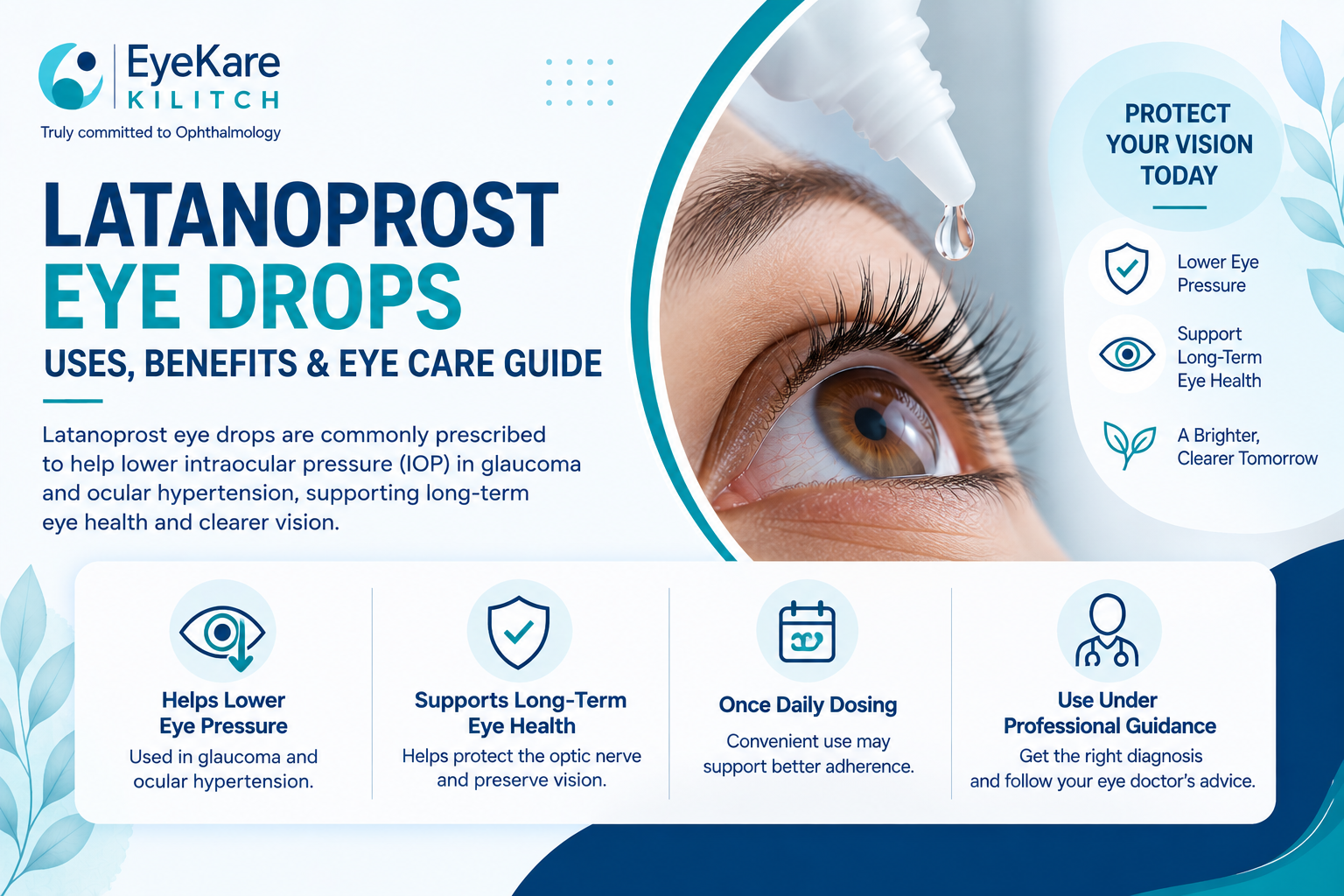
Vision is one of our most valuable senses, making eye health an important part of overall well-being. Certain eye conditions, particularly glaucoma and ocular hypertension, can gradually damage vision if left unmanaged. Because these conditions often develop without obvious symptoms in their early stages, regular eye examinations and appropriate treatment play a critical role in preserving long-term vision.
Among the medications commonly prescribed for managing elevated intraocular pressure (IOP) are Latanoprost Eye Drops. These ophthalmic formulations are widely used in glaucoma care and are designed to help reduce pressure inside the eye.
Understanding how latanoprost works, when it is used, and how to apply it correctly can help patients better manage their eye-care journey.
What Are Latanoprost Eye Drops?
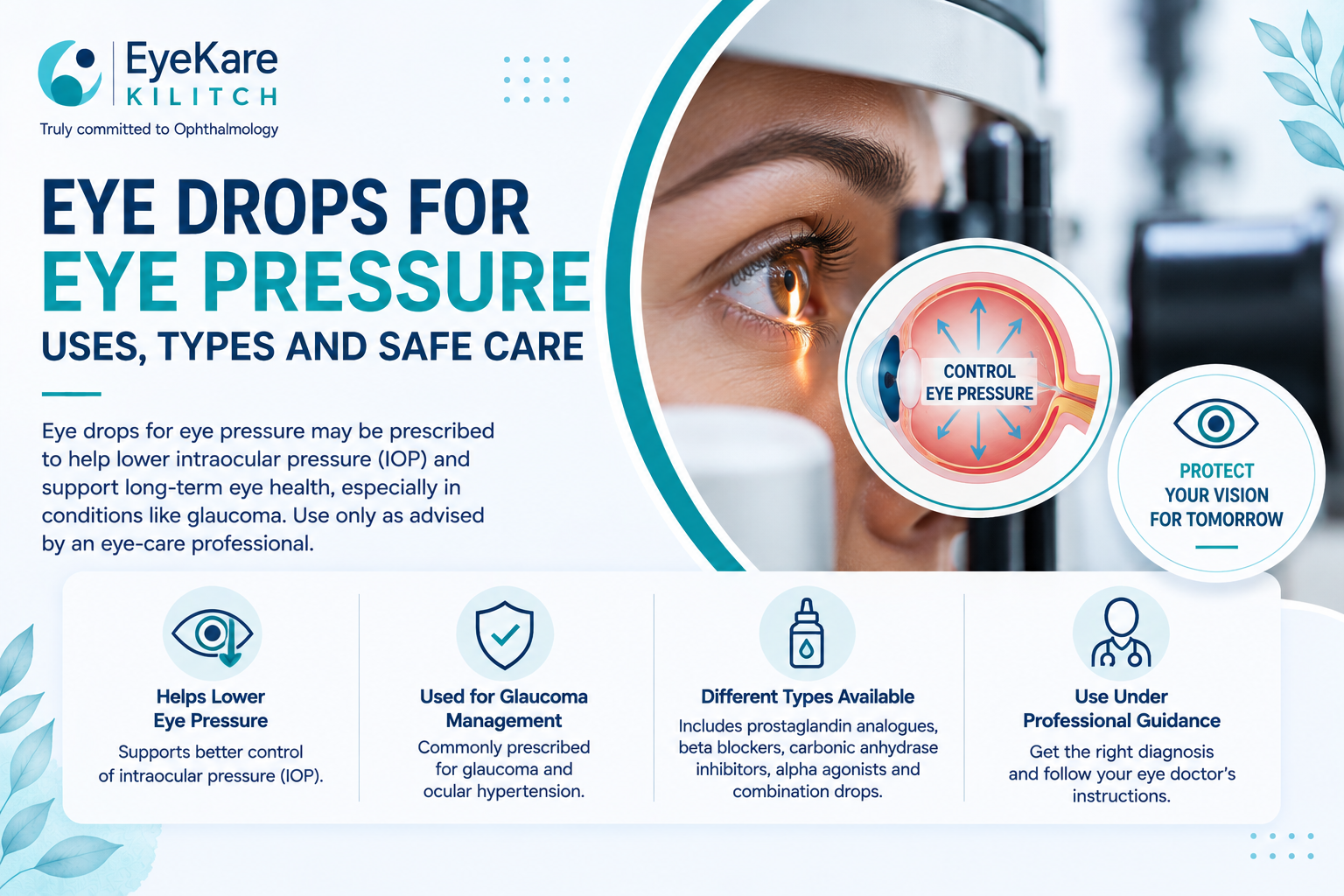
Latanoprost Eye Drops belong to a class of medications known as prostaglandin analogues. They are primarily used to help lower elevated intraocular pressure in patients diagnosed with open-angle glaucoma or ocular hypertension.
Increased pressure inside the eye can gradually damage the optic nerve, which is responsible for transmitting visual information from the eye to the brain. Over time, this damage may result in permanent vision loss if not appropriately managed.
Latanoprost helps reduce this risk by improving the outflow of fluid from the eye, thereby lowering intraocular pressure.
Understanding Glaucoma and Ocular Hypertension
To understand the role of latanoprost, it is important to understand the conditions it is commonly prescribed for.
Glaucoma
Glaucoma is a group of eye disorders that can damage the optic nerve. Elevated eye pressure is one of the major risk factors associated with many forms of glaucoma.
Because vision loss caused by glaucoma is often irreversible, early detection and ongoing treatment are important.
Ocular Hypertension
Ocular hypertension occurs when pressure inside the eye is higher than normal but optic nerve damage has not yet occurred.
Although not everyone with ocular hypertension develops glaucoma, elevated pressure can increase the risk. Eye-care professionals may recommend treatment to help lower pressure and reduce long-term risk.
How Do Latanoprost Eye Drops Work?
The eye continuously produces and drains a fluid called aqueous humour. When this fluid does not drain efficiently, pressure can build inside the eye.
Latanoprost Eye Drops work by increasing the outflow of aqueous humour through specific drainage pathways. By helping fluid leave the eye more effectively, the medication reduces intraocular pressure.
This mechanism makes latanoprost a commonly prescribed option for pressure management in glaucoma and ocular hypertension.
Lowering intraocular pressure is considered one of the most important strategies for slowing the progression of glaucoma-related damage.
Benefits of Latanoprost Eye Drops
When prescribed appropriately, latanoprost offers several advantages in glaucoma management.
Effective Pressure Reduction
One of the primary benefits of latanoprost is its ability to reduce elevated intraocular pressure.
Convenient Dosing
Many latanoprost formulations are commonly administered once daily, which may help support treatment adherence.
Long-Term Management
Glaucoma is typically a chronic condition requiring ongoing management. Latanoprost is often included as part of a long-term treatment strategy designed to help maintain target eye pressure levels.
Established Use in Ophthalmology
Latanoprost has been widely used in ophthalmic practice and remains an important therapeutic option for many patients diagnosed with glaucoma or ocular hypertension.
How to Apply Latanoprost Eye Drops Correctly
Correct administration helps ensure that the medication reaches the eye effectively while reducing the risk of contamination.
Follow these general steps:
- Wash your hands thoroughly.
- Check the product packaging and expiry date.
- Tilt your head back slightly.
- Gently pull down the lower eyelid.
- Instill the prescribed number of drops.
- Close your eyes gently after application.
- Avoid touching the dropper tip to any surface.
- Replace the cap securely.
Patients should always follow the instructions provided by their ophthalmologist and the approved product information.
Why Consistent Use Matters
One of the biggest challenges in glaucoma management is that many patients do not experience noticeable symptoms during the early stages of the disease.
As a result, some individuals may feel tempted to skip doses when they do not notice any immediate changes in vision.
However, glaucoma-related optic nerve damage can occur gradually over time. Consistent use of prescribed medications is often an important part of maintaining target eye pressure levels and supporting long-term eye health.
Patients should never stop using prescribed glaucoma medication without consulting their eye-care professional.
Possible Side Effects
Like many ophthalmic medications, Latanoprost Eye Drops may be associated with side effects.
Potential effects can include:
- Mild eye irritation
- Eye redness
- Temporary discomfort after application
- Changes in eyelash growth
- Gradual darkening of the iris in some individuals
- Eyelid skin changes in certain cases
Not every patient experiences these effects, and the severity can vary.
Patients should discuss any unusual symptoms or concerns with their ophthalmologist.
Contact Lens Considerations
Contact-lens users should carefully follow the instructions provided with their eye medication.
Depending on the formulation, contact lenses may need to be removed before applying the drops and reinserted after the recommended waiting period.
This precaution helps ensure proper medication absorption and may reduce the risk of interactions between the lens material and the formulation.
Lifestyle Tips for Patients Managing Glaucoma
Medication is only one aspect of eye-care management.
Patients may also benefit from:
- Attending regular eye examinations
- Following prescribed treatment schedules
- Monitoring eye pressure as advised
- Maintaining general health and wellness
- Discussing any medication concerns with their ophthalmologist
- Reporting vision changes promptly
Because glaucoma often progresses slowly, routine follow-up appointments remain an important component of long-term care.
The Importance of Quality Ophthalmic Manufacturing
Ophthalmic products require strict quality controls because they are applied directly to the eye.
Key considerations include:
- Sterile manufacturing environments
- Consistent formulation quality
- Packaging integrity
- Stability testing
- Regulatory compliance
- Reliable delivery systems
For an Ophthalmic Pharma Company, maintaining high manufacturing standards helps support product quality and patient safety.
As a specialized eye-care division, EyeKare Kilitch focuses on ophthalmic formulations across multiple therapeutic categories, including glaucoma management, ocular lubrication, anti-allergy products, and other ophthalmic solutions.
When Should You Contact an Eye-Care Professional?
Patients should seek professional guidance if they experience:
- Significant eye pain
- Sudden vision changes
- Persistent irritation
- Severe redness
- Eye injury
- Symptoms that worsen despite treatment
Regular monitoring is particularly important for individuals diagnosed with glaucoma because early intervention can help support long-term vision preservation.
Final Thoughts
Latanoprost Eye Drops are an important treatment option for individuals diagnosed with glaucoma or ocular hypertension. By helping reduce intraocular pressure, they play a key role in managing conditions that can otherwise lead to progressive vision loss.
Understanding how the medication works, applying it correctly, maintaining consistent use, and attending regular eye examinations are all important aspects of effective glaucoma management.
While treatment plans vary from patient to patient, informed eye-care practices and professional guidance remain central to protecting vision and supporting long-term ocular health.