
Introduction
Eye inflammation can cause discomfort, redness, watering, swelling, sensitivity to light, and sometimes changes in vision. It can affect different parts of the eye and may develop because of infection, allergies, injury, surgery, irritation, or an underlying eye condition. Since the cause can vary, identifying the source of inflammation is important before deciding on treatment. Eye drops for eye inflammation may be recommended in certain situations to help manage inflammation or address an underlying condition. The appropriate formulation depends on the type of inflammation, its severity, and the individual’s clinical requirements.
What Is Eye Inflammation?
Eye inflammation refers to an inflammatory response affecting the eye or tissues surrounding it. Inflammation is a natural response of the body to irritation, injury, infection, or other triggers. However, persistent inflammation may require professional evaluation and appropriate treatment.
Inflammation can involve different structures, including the surface of the eye, conjunctiva, cornea, eyelids, or internal parts of the eye. Because these conditions can have different causes, similar symptoms do not necessarily mean that the same eye drops will be suitable for every person.
Some cases may produce mild irritation, while others can cause significant discomfort, swelling, light sensitivity, or visual changes. Persistent or severe symptoms should therefore be evaluated by an eye-care professional.
Common Symptoms of Eye Inflammation
Eye inflammation can present differently depending on its cause and location. Common symptoms may include:
- Redness or a bloodshot appearance
- Eye discomfort or soreness
- Excessive watering
- Swelling around the eye
- Burning or irritation
- Increased sensitivity to light
- A sensation of something being present in the eye
- Blurred or altered vision
- Discomfort when exposed to bright light
These symptoms can overlap with other eye conditions. Therefore, it is important to determine the underlying cause rather than treating symptoms alone.
What Causes Eye Inflammation?
Eye Allergies
Environmental allergens such as pollen, dust, and other irritants can trigger inflammation around the eye. Allergy-related symptoms may include itching, watering, redness, and swelling. Treatment depends on the specific symptoms and clinical assessment.
Eye Infections
Certain bacterial or viral infections can cause inflammation along with redness, discharge, discomfort, or watering. When infection is involved, treatment may need to address the underlying cause rather than simply reducing visible redness.
Eye Injuries and Irritation
Foreign particles, accidental injuries, chemical exposure, or physical irritation can trigger an inflammatory response. The appropriate treatment depends on the type and severity of the exposure. Chemical injuries and significant trauma require prompt medical attention.
Following Eye Procedures
Inflammation may occur after certain ophthalmic procedures or surgeries. In such situations, an ophthalmologist may prescribe specific eye drops as part of post-operative management. The prescribed medicine, dosage, and treatment duration should be followed carefully.
How Do Eye Drops Help With Eye Inflammation?
Eye drops can serve different therapeutic purposes depending on the underlying condition. Some formulations are intended to reduce inflammation, while others may be used to manage conditions associated with infection, allergy, or other causes.
Anti-inflammatory ophthalmic medicines may be prescribed when inflammation needs to be controlled. However, different formulations work through different mechanisms and are intended for different clinical situations.
EyeKare Kilitch develops ophthalmic products across multiple therapeutic categories, including NSAID-based ophthalmic formulations and other specialised eye-care products.
Its ophthalmic product portfolio includes products developed for different therapeutic requirements.
When Are Anti-Inflammatory Eye Drops Used?
Anti-inflammatory eye drops may be prescribed when inflammation is associated with specific ophthalmic conditions or follows certain eye procedures. The choice of medicine depends on the diagnosis, affected area, severity of inflammation, and individual patient requirements.
Different classes of anti-inflammatory medicines have different uses and precautions. For this reason, patients should not select prescription anti-inflammatory eye drops solely because their eyes appear red or irritated.
An eye examination can help determine whether inflammation is actually present and whether medication is appropriate. In some cases, the underlying condition may require a different type of treatment altogether.
How to Use Eye Drops Safely
Correct administration is important when using ophthalmic medicines. Patients should follow the instructions provided by their ophthalmologist, healthcare professional, or the product information.
Follow the Prescribed Instructions
Use the recommended dose and frequency. Do not increase the amount or continue treatment for longer than advised unless instructed by a healthcare professional.
Maintain Clean Handling
Wash your hands before applying eye drops. Avoid allowing the bottle tip to touch the eye, eyelashes, skin, or another surface. Proper handling helps minimise the risk of contamination.
Allow Appropriate Spacing
When multiple ophthalmic products are prescribed, follow the recommended sequence and spacing between different drops. If the instructions are unclear, consult the prescribing professional.
Do Not Share Eye Drops
Eye drops should not be shared between individuals. Different eye conditions may require different treatments, and sharing containers can increase contamination risks.
When Should You See an Eye Doctor?
Mild eye irritation may sometimes resolve after the underlying trigger is removed, but certain symptoms require prompt professional assessment. Seek eye care if inflammation is accompanied by significant pain, sudden vision changes, pronounced light sensitivity, substantial swelling, injury, or chemical exposure.
People who have recently undergone eye surgery or who have an existing eye condition should follow their ophthalmologist’s treatment and follow-up recommendations.
Professional evaluation is particularly important when symptoms persist, recur frequently, or become progressively worse.
Choosing the Right Eye Drops for Eye Inflammation
Selecting an appropriate ophthalmic medicine depends on several factors. These include the cause of inflammation, the part of the eye affected, severity of symptoms, patient age, medical history, other medicines being used, and whether the condition is associated with infection, allergy, injury, or surgery.
The formulation should therefore be selected according to its intended therapeutic purpose rather than simply choosing a product based on general symptoms. Sterility, formulation characteristics, dosage requirements, packaging, storage conditions, and appropriate usage instructions can also be important considerations.
For ophthalmic manufacturers, maintaining consistent formulation quality and controlled production processes is particularly important because ophthalmic products are intended for use in the sensitive ocular environment. EyeKare Kilitch’s ophthalmic portfolio reflects its focus on developing products for different therapeutic applications.
Why Choose EyeKare Kilitch?
EyeKare Kilitch focuses specifically on ophthalmology and develops ophthalmic products across multiple therapeutic areas. Its portfolio includes lubricants, hyperosmotic products, NSAIDs, anti-glaucoma products, antibiotics, and other specialised ophthalmic formulations.
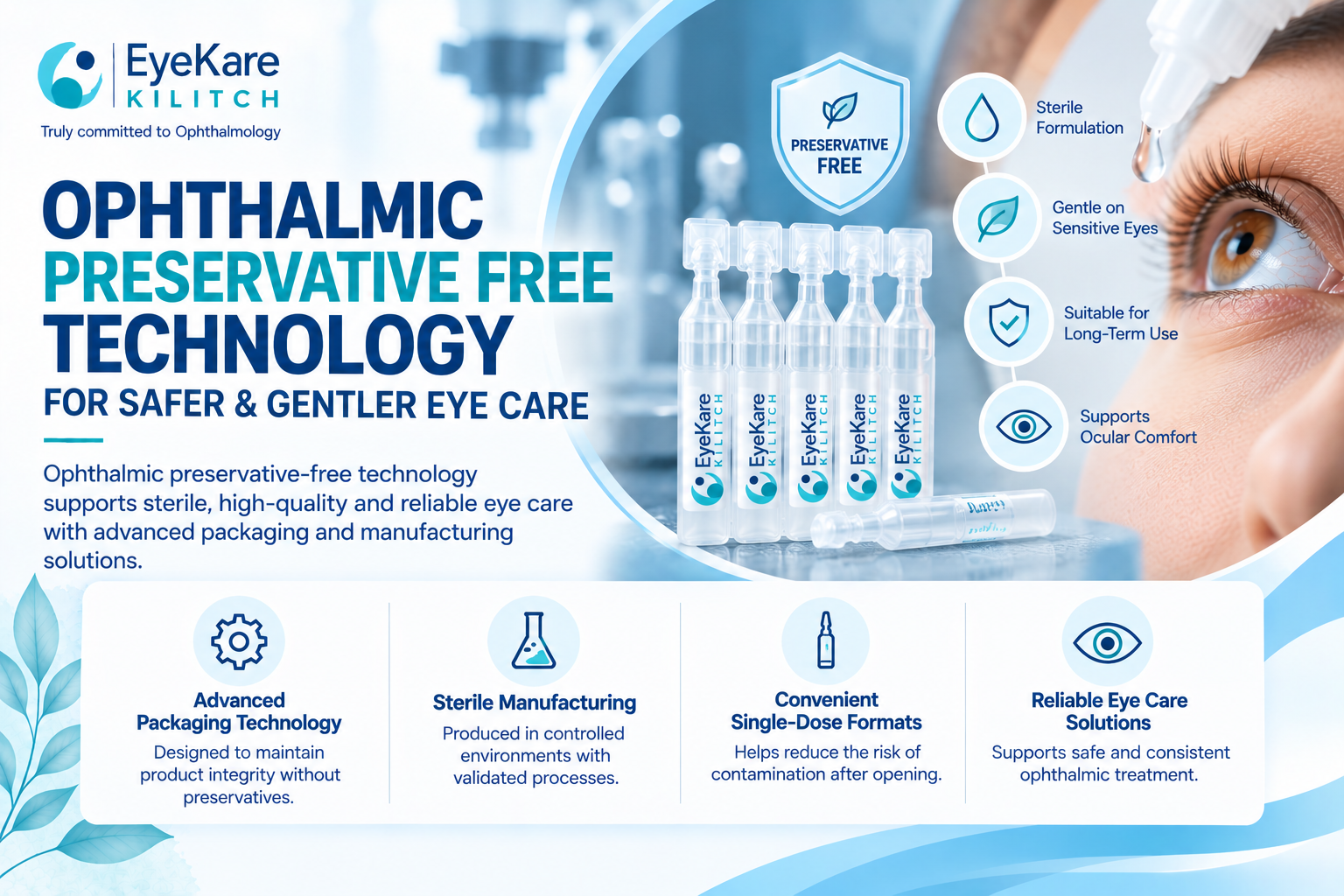
The company also highlights its work in preservative-free technology and ophthalmic delivery and packaging solutions. Its focus on research, development, quality, and ophthalmology-specific product manufacturing supports the development of products for diverse eye-care requirements.
For healthcare professionals and organisations seeking ophthalmic product information, understanding the intended therapeutic category, formulation, and application is essential when evaluating products for specific requirements.
Conclusion
Eye inflammation can have several possible causes, and treatment should begin by identifying the underlying reason. Eye drops for eye inflammation may form an important part of treatment in appropriate cases, but the choice of medicine depends on the diagnosis, severity, and individual patient requirements.
Prescription eye drops should not be used without appropriate professional guidance, particularly when symptoms include significant pain, vision changes, injury, or pronounced sensitivity to light. Correct diagnosis, administration, and follow-up can help support safer and more appropriate eye care.
With its focus on ophthalmology and a broad therapeutic portfolio, EyeKare Kilitch continues to develop ophthalmic products for diverse eye-care requirements.