Introduction
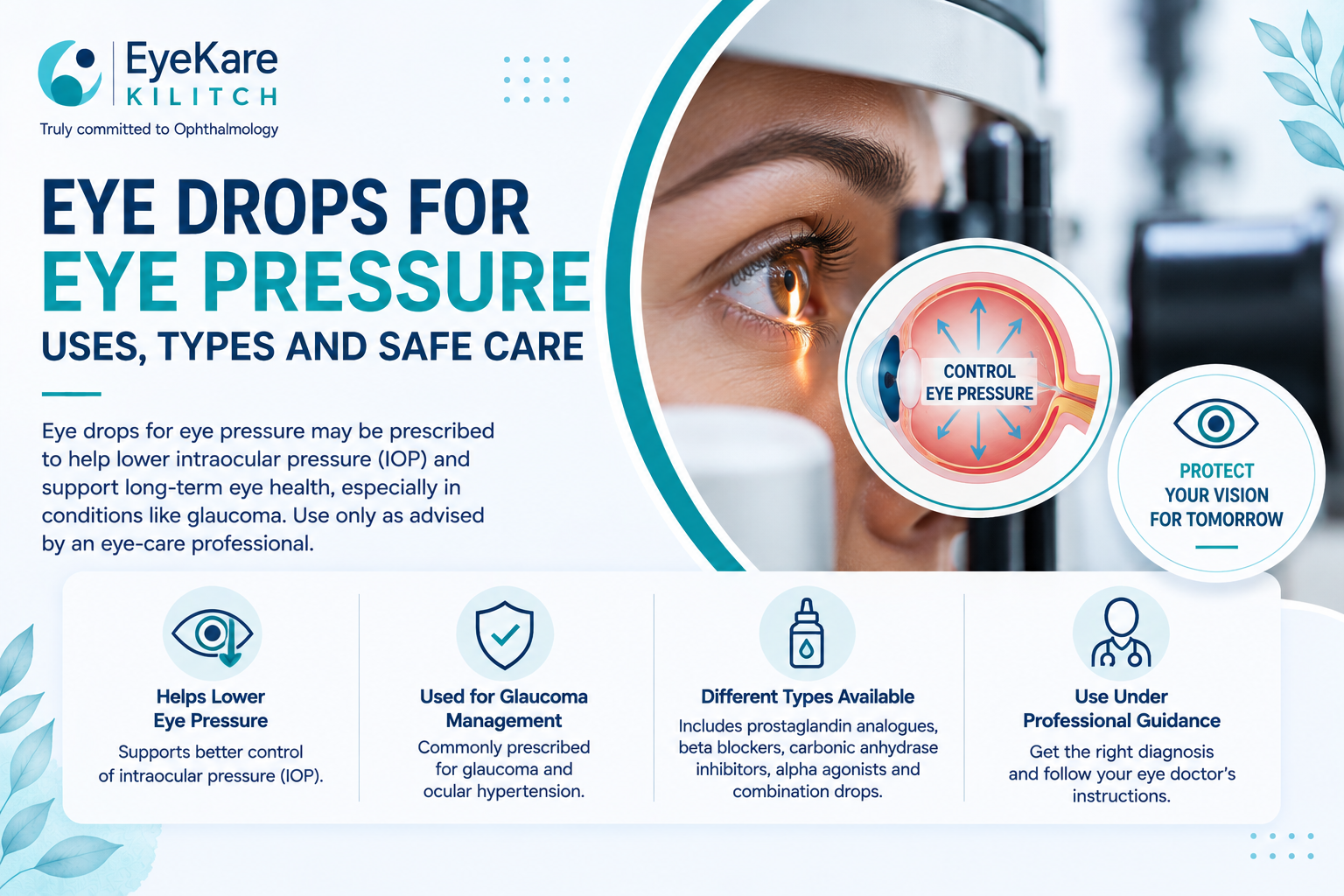
Eye pressure, also called intraocular pressure (IOP), is an important factor in eye health because persistently elevated pressure can be associated with damage to the optic nerve. Eye Drops for Eye Pressure may be prescribed when an ophthalmologist determines that lowering IOP is necessary. These medicines are commonly used in the management of glaucoma and ocular hypertension. Because high eye pressure may not cause noticeable symptoms in its early stages, treatment decisions are generally based on eye examinations, pressure measurements, optic nerve assessment, and other clinical findings.
What Is Eye Pressure?
Eye pressure refers to the pressure created by the fluid inside the eye. This fluid, called aqueous humour, is continuously produced and drained. When fluid does not leave the eye efficiently, pressure can rise.
Not everyone with elevated IOP develops glaucoma, and glaucoma can occur in some people without consistently high pressure. For this reason, an ophthalmologist considers more than a single pressure reading when assessing a patient’s risk and treatment needs.
Why Is Controlling Eye Pressure Important?
In glaucoma, damage to the optic nerve can lead to gradual loss of vision. Lowering eye pressure is an important part of treatment for many people with glaucoma because reducing IOP can help slow or prevent further damage.
The goal is to protect remaining vision by controlling the condition over time. Regular examinations are therefore important even when the eyes feel comfortable and vision seems unchanged.
Types of Eye Drops for Eye Pressure
Prostaglandin Analogues
Prostaglandin analogue eye drops help lower IOP mainly by increasing the eye’s natural drainage of aqueous humour. They are commonly prescribed as part of glaucoma treatment, depending on the patient’s condition and the ophthalmologist’s treatment plan.
Beta Blockers
Beta-blocker eye drops can reduce the production of aqueous humour, helping lower pressure inside the eye. They may not be suitable for everyone, particularly people with certain respiratory or cardiovascular conditions, so medical history is important when selecting treatment.
Carbonic Anhydrase Inhibitors
These medicines reduce aqueous humour production and can be used alone or in combination with other pressure-lowering medicines. The choice depends on the type of glaucoma, pressure level, response to treatment, and other patient factors.
Alpha Agonists
Alpha agonist medicines can reduce aqueous humour production and may also support fluid drainage. They may be prescribed alone or alongside other medicines when additional pressure control is required.
Combination Eye Drops
Some ophthalmic formulations combine two pressure-lowering medicines in one product. Combination therapy may help address the need for more than one mechanism of action while simplifying the number of separate bottles a patient may need.
How Do Eye Pressure Eye Drops Work?
Different eye pressure medicines work by changing the balance between aqueous humour production and drainage. Some reduce the amount of fluid produced, while others improve its outflow. By changing this balance, the medicines can lower IOP.
The best medicine varies from person to person. An ophthalmologist may consider the type and stage of glaucoma, current pressure, optic nerve findings, other health conditions, previous treatment response, and whether more than one medicine is needed.
EyeKare Kilitch’s ophthalmic portfolio includes several therapeutic categories related to pressure management, supporting a broader ophthalmic product portfolio for specialised eye-care requirements.
When Are Eye Drops for Eye Pressure Prescribed?
Pressure-lowering eye drops may be prescribed for glaucoma or ocular hypertension when the ophthalmologist believes treatment is appropriate. They can also be part of a longer-term treatment plan that requires periodic review.
Treatment can change over time depending on pressure readings, disease progression, side effects, adherence, and the response seen during follow-up examinations.
Because pressure treatment is individualised, eye drops to lower eye pressure should be used only according to the instructions provided by the treating ophthalmologist.
How to Use Eye Pressure Eye Drops Correctly
Wash Your Hands
Clean your hands before applying the drops. Avoid touching the bottle tip to your eye, eyelashes, eyelid, fingers, or another surface to reduce the risk of contamination.
Apply the Prescribed Amount
Use the number of drops and frequency recommended by your healthcare professional. Do not use extra drops because you think they will lower pressure faster.
Close the Eye Gently
After applying a drop, close the eye gently rather than blinking repeatedly. If instructed by your healthcare professional, gentle pressure near the inner corner of the closed eye may help reduce drainage through the tear duct.
Space Different Eye Drops
If several eye medicines are prescribed, follow the recommended order and leave the advised interval between products. Ask your healthcare professional or pharmacist if the instructions are unclear.
Stay Consistent
Glaucoma treatment often requires long-term adherence. Missing doses regularly can make pressure control more difficult, so patients should follow their prescribed routine and discuss practical difficulties with their healthcare team.
Possible Side Effects and Precautions
Eye pressure medicines can cause local effects such as temporary stinging, watering, irritation, blurred vision, or redness. Some medicines can also produce effects beyond the eye, depending on the active ingredient and the patient’s health.
Patients should tell their ophthalmologist about other medicines and existing medical conditions. This is especially important when using medicines that may affect heart rate, blood pressure, breathing, or other body systems.
Do not stop a prescribed glaucoma medicine abruptly without professional advice. If severe eye pain, sudden vision changes, significant swelling, breathing difficulty, fainting, or another serious reaction occurs, seek prompt medical attention.
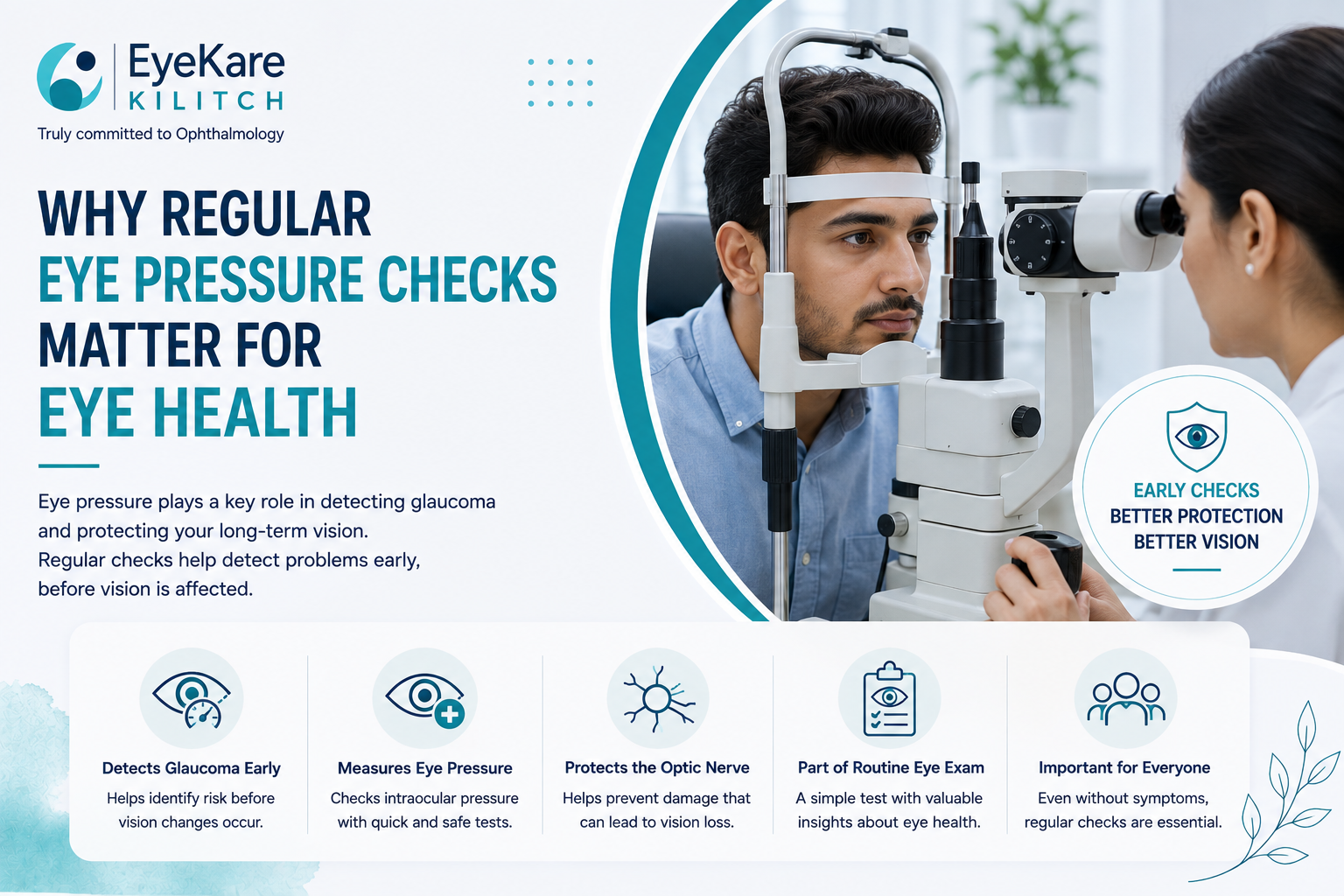
Why Regular Eye Pressure Checks Matter
Using eye drops is only one part of glaucoma care. Regular follow-up allows the ophthalmologist to assess IOP and examine the optic nerve and visual function.
A pressure reading that appears acceptable on one visit does not necessarily mean that long-term monitoring is no longer needed. Glaucoma can progress gradually, and treatment may need adjustment over time.
Can Eye Pressure Eye Drops Cure Glaucoma?
Eye pressure eye drops generally help manage glaucoma rather than permanently cure it. They are intended to control IOP and reduce the risk of further optic nerve damage when they are appropriate for the patient’s condition.
Some people may require additional treatments, such as laser procedures or surgery, if medicines do not provide adequate control or are not tolerated.
Why Quality Matters in Ophthalmic Medicines
Medicines applied directly to the eye require careful formulation, manufacturing, packaging, and quality control.
EyeKare Kilitch focuses on ophthalmology and offers products across categories including anti-glaucoma, antibiotics, lubricants, anti-allergic medicines, NSAIDs, steroids, and combination formulations. Its specialised ophthalmic focus supports a portfolio designed around different therapeutic requirements.
Conclusion
Eye pressure eye drops can be an important part of glaucoma and ocular hypertension management when prescribed appropriately. Different medicines lower pressure through different mechanisms, and the right option depends on the patient’s diagnosis, clinical findings, health history, and response to treatment. Eye Drops for Eye Pressure should therefore be used consistently and only according to professional guidance.
Regular eye examinations remain essential because high eye pressure and glaucoma may not produce obvious symptoms in the early stages. Patients should follow their prescribed routine, attend follow-up appointments, and report unexpected side effects or changes in vision promptly.
With professional diagnosis, appropriate treatment, and ongoing monitoring, pressure-lowering therapy can form an important part of protecting long-term eye health.