Introduction
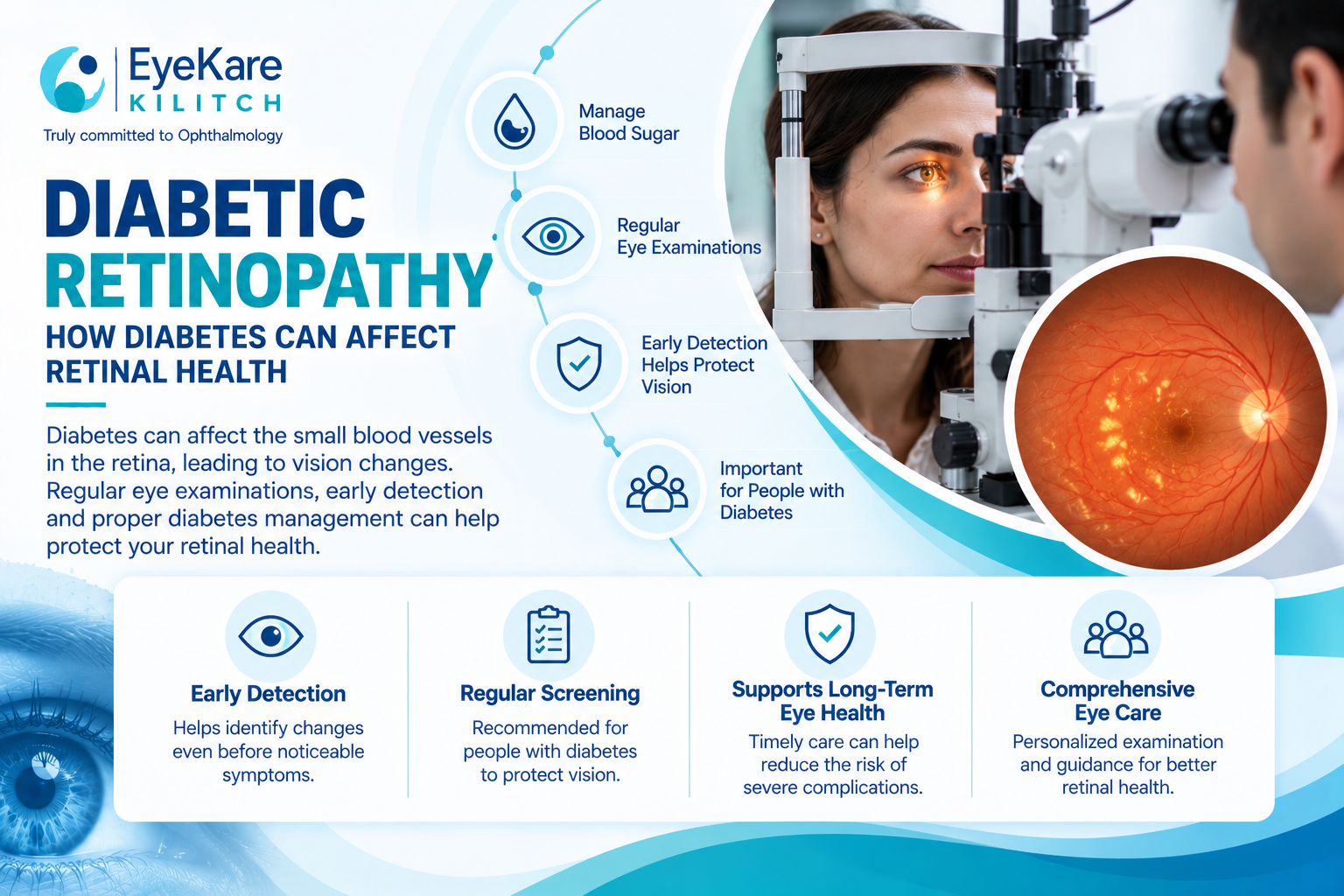
Diabetes can affect several parts of the body, including the eyes. One of the most important eye complications associated with diabetes is diabetic retinopathy, a condition that damages the small blood vessels in the retina. The retina is the light-sensitive tissue at the back of the eye that converts light into signals sent to the brain.
In its early stages, diabetic retinopathy may not cause noticeable changes in vision. However, as the condition progresses, it can lead to blurred vision, retinal swelling, abnormal blood vessel growth, and potentially severe vision loss.
Understanding diabetic retinopathy helps people with diabetes recognise the importance of regular retinal examinations, blood glucose management, and timely professional care. Early detection can make a significant difference in protecting long-term vision.
What Is Diabetic Retinopathy?
Diabetic retinopathy develops when prolonged high blood glucose levels damage the tiny blood vessels supplying the retina. These vessels may weaken, leak fluid or blood, or become blocked, reducing the retina’s ability to function normally.
In advanced cases, the eye may develop abnormal new blood vessels. These vessels are fragile and can bleed into the vitreous, the gel-like substance inside the eye. Scar tissue may also form and potentially pull on the retina, causing a serious complication known as tractional retinal detachment.
The condition can affect people with both type 1 and type 2 diabetes. The risk generally increases with the duration of diabetes and may be influenced by blood pressure, cholesterol levels, pregnancy, and other individual health factors.
Stages of Diabetic Retinopathy
Diabetic retinopathy is generally classified into two main stages.
1. Non-Proliferative Diabetic Retinopathy
Non-proliferative diabetic retinopathy is an earlier stage in which damaged retinal blood vessels may develop small bulges, known as microaneurysms. These vessels can leak blood or fluid into the surrounding retinal tissue.
As the condition progresses, more vessels may become blocked, limiting the supply of oxygen to parts of the retina.
Some people experience no noticeable symptoms at this stage. This is why regular diabetic retinopathy screening is important, even when vision appears normal.
2. Proliferative Diabetic Retinopathy
Proliferative diabetic retinopathy is a more advanced stage. When the retina receives insufficient oxygen, it may stimulate the growth of abnormal new blood vessels.
These vessels can bleed, form scar tissue, and cause retinal detachment. Without appropriate treatment, this stage can result in substantial and potentially permanent vision loss.
Early diagnosis and specialist treatment can help reduce the risk of severe complications.
Diabetic Macular Edema: Another Important Complication
Diabetes can also cause diabetic macular edema, a condition in which fluid accumulates in the macula, the central part of the retina responsible for detailed vision.
Swelling in this area may cause blurred central vision, difficulty reading, or problems recognising faces. Diabetic macular edema can develop at different stages of diabetic retinopathy.
An ophthalmologist can identify retinal swelling through a dilated eye examination and, when needed, specialised imaging such as optical coherence tomography (OCT).
Prompt assessment is important because treatment may help preserve or improve vision, depending on the extent of damage.
Common Diabetic Retinopathy Symptoms
One of the challenges of diabetic eye disease is that symptoms may not appear until damage has progressed.
Possible warning signs include:
- Blurred or fluctuating vision.
- Difficulty reading or focusing on fine details.
- Dark spots or floaters in the field of vision.
- Areas of reduced or missing vision.
- Difficulty seeing clearly at certain times.
Sudden vision loss, a sudden increase in floaters, flashes of light, or a curtain-like shadow across the vision requires urgent eye assessment.
People with diabetes should not wait for symptoms before arranging their recommended retinal screening. An absence of symptoms does not mean that the retina is healthy.
Who Is at Greater Risk of Diabetic Retinopathy?
Several factors can increase the likelihood of developing diabetic retinopathy or experiencing disease progression.
Duration of Diabetes
The longer a person has diabetes, the greater the risk of retinal damage. People who have lived with diabetes for many years should follow their recommended eye examination schedule.
Poorly Controlled Blood Glucose
Persistently elevated blood glucose can damage the small blood vessels in the retina. Working with a healthcare professional to manage blood glucose can help reduce the risk of complications.
High Blood Pressure
High blood pressure can place additional stress on blood vessels and contribute to retinal damage. Monitoring and managing blood pressure is an important part of comprehensive diabetes care.
Abnormal Cholesterol Levels
Unhealthy blood lipid levels may be associated with an increased risk of certain diabetic retinal complications. Appropriate medical management can support overall vascular health.
Pregnancy
Pregnancy can increase the risk of progression in people who already have diabetic retinopathy. People with diabetes who are planning pregnancy or are pregnant should discuss the appropriate timing of retinal examinations with their healthcare team.
The Importance of Regular Diabetic Eye Examinations
A comprehensive diabetic eye examination helps identify retinal changes before symptoms develop.
A dilated retinal examination allows an eye care professional to examine the retina and identify signs of leaking, bleeding, abnormal blood vessel growth, or other changes.
Additional tests may be recommended depending on the findings.
Retinal photography: Images of the retina can help document changes and support screening programmes.
Optical coherence tomography (OCT): This imaging technique produces detailed cross-sectional images of the retina and can help detect swelling or fluid accumulation.
Fluorescein angiography: In selected cases, a specialist may use a dye and retinal imaging to assess blood flow and identify leaking or abnormal blood vessels.
The appropriate screening frequency depends on factors such as diabetes type, previous examination findings, pregnancy, and the presence or severity of retinopathy. People should follow the schedule recommended by their eye care professional.
How Can Diabetes-Related Eye Damage Be Managed?
Treatment depends on the stage of diabetic retinopathy, the presence of macular edema, and the individual’s clinical findings.
1. Blood Glucose and Blood Pressure Management
Managing blood glucose, blood pressure, and cholesterol can reduce the risk of diabetic complications and help slow the progression of retinal disease.
Patients should work with their healthcare professionals to establish appropriate targets and treatment plans.
2. Anti-VEGF Injections
Anti-vascular endothelial growth factor (anti-VEGF) medicines may be injected into the eye to treat diabetic macular edema and certain cases of proliferative diabetic retinopathy.
These medicines help reduce abnormal blood vessel growth and leakage. The treatment schedule depends on the medicine used and the individual’s response.
3. Laser Treatment
Laser photocoagulation may be recommended for selected cases of diabetic retinopathy. Depending on the condition, it can help reduce the risk of severe vision loss or treat abnormal retinal blood vessels.
The procedure and its potential benefits should be discussed with a qualified ophthalmologist.
4. Vitrectomy
In advanced cases involving significant bleeding into the vitreous or certain forms of retinal detachment, surgery called vitrectomy may be necessary.
The decision to perform surgery depends on the extent of retinal damage and other clinical factors.
Not every person with diabetic retinopathy requires treatment immediately, but regular monitoring is essential to determine when intervention is appropriate.
Practical Steps to Protect Retinal Health
People living with diabetes can take several steps to support their long-term eye health:
- Attend retinal examinations at the recommended intervals.
- Follow the prescribed diabetes management plan.
- Monitor blood glucose as advised by the healthcare team.
- Manage blood pressure and cholesterol with professional guidance.
- Inform the eye care professional about changes in vision and other health conditions.
- Seek urgent care if sudden visual symptoms develop.
These measures do not guarantee that diabetic retinopathy will be prevented, but they can help reduce risks and support timely diagnosis.
Conclusion
Diabetic retinopathy is a potentially serious complication of diabetes that affects the blood vessels of the retina. Because the condition may develop without obvious symptoms, regular retinal screening is essential for identifying changes before significant vision loss occurs.
Through improved diabetic retinopathy awareness, appropriate diabetes management, and timely specialist care, people with diabetes can take important steps towards protecting their vision.
EyeKare Kilitch encourages awareness of eye health and the importance of professional eye examinations. Individuals living with diabetes should discuss a suitable retinal screening schedule with their eye care professional, even when their vision seems normal.
Protecting retinal health begins with regular screening, consistent diabetes care, and early attention to changes in vision.