Corneal Health Explained: Understanding the Eye’s Natural Protective Layer
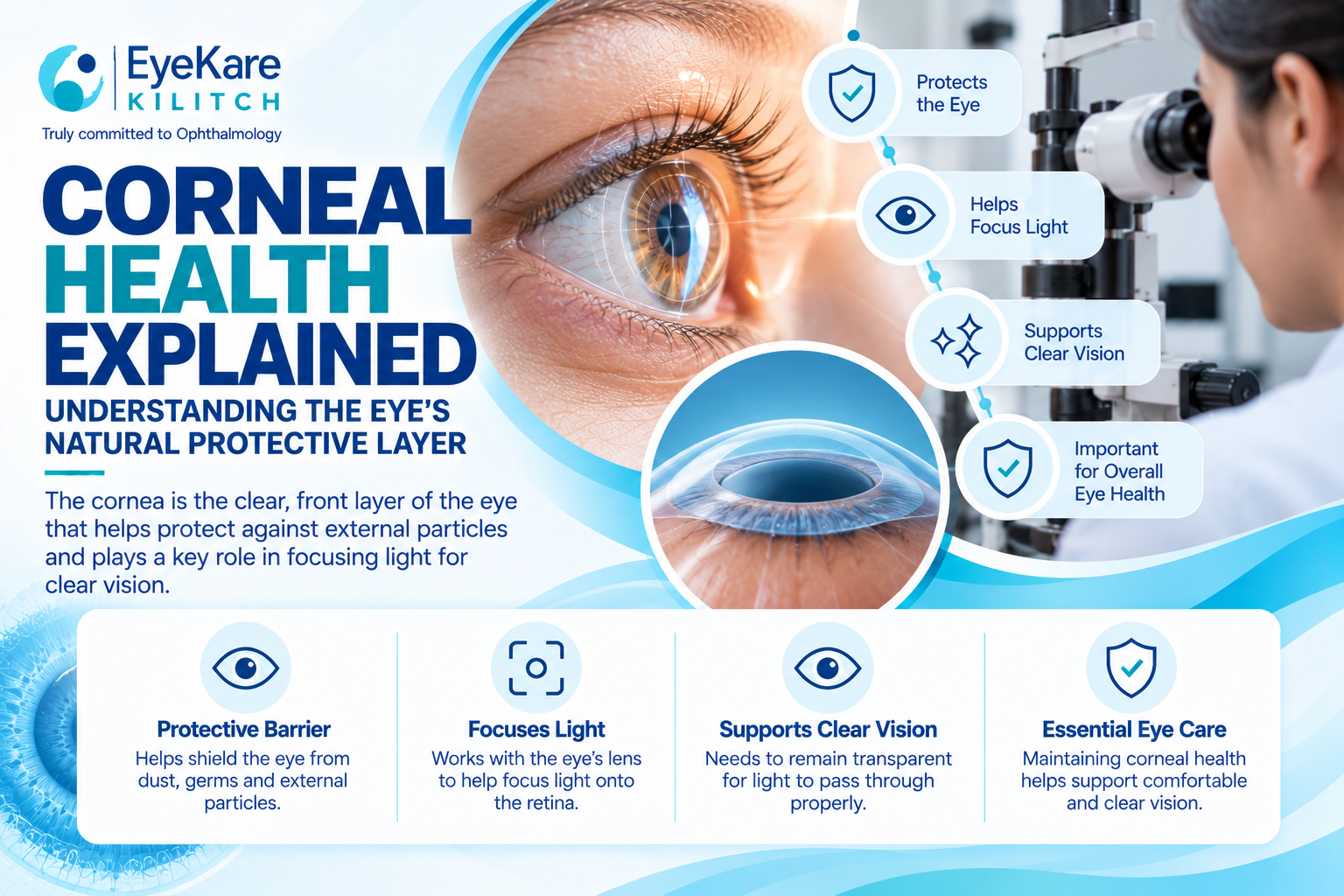
The human eye relies on several structures working together to provide clear vision. One of the most important is the cornea, the transparent front surface that covers the iris and pupil. It helps protect the eye and plays a major role in focusing incoming light.
Maintaining corneal health is essential because damage, inflammation, or changes in the cornea can affect visual clarity and cause discomfort. Understanding how the cornea works, recognising possible symptoms, and seeking timely professional care can help people protect their eyesight.
What Is the Cornea and Why Is It Important?
The cornea is the clear, dome-shaped surface at the front of the eye. It acts as a protective barrier against dust, germs, and other external particles. Along with the eye’s internal lens, it helps focus light onto the retina so the brain can interpret visual information.
The cornea has several important functions:
- Protecting the eye: It provides a physical barrier against some external irritants and particles.
- Focusing light: Its curved shape contributes significantly to the eye’s focusing power.
- Supporting clear vision: A healthy cornea needs to remain sufficiently transparent for light to pass through properly.
- Responding to irritation: The cornea has many sensitive nerve endings that help the eye respond to potential injury.
Because the cornea is exposed to the environment, it can be affected by injuries, infections, inflammation, and certain underlying eye conditions.
Common Conditions That Can Affect Corneal Health
Several conditions may affect the structure, clarity, or comfort of the cornea. Their symptoms can overlap, so professional assessment is important for an accurate diagnosis.
1. Corneal Abrasion
A corneal abrasion is a scratch on the cornea’s surface. It may occur when dust, a fingernail, a plant material, or another object comes into contact with the eye.
Possible symptoms include:
- Eye pain or a gritty sensation.
- Excessive watering.
- Redness and sensitivity to light.
- Blurred vision.
- Difficulty keeping the affected eye open.
Minor abrasions may heal, but an eye injury should not be ignored. Avoid rubbing the eye or attempting to remove an embedded object. Seek medical advice promptly, particularly if pain, redness, or vision changes occur.
2. Keratitis
Keratitis refers to inflammation of the cornea. It may be caused by infection or non-infectious factors, including injury, irritation, or certain contact lens-related problems.
Symptoms can include pain, redness, excessive tearing, light sensitivity, discharge, and reduced vision. Some forms of keratitis can progress quickly and threaten sight if treatment is delayed.
Contact lens wearers should follow proper cleaning and wearing instructions, avoid sleeping in lenses unless specifically prescribed, and never use water to clean or store contact lenses.
Eye pain, redness, light sensitivity, or blurred vision in a contact lens wearer requires urgent professional assessment.
3. Keratoconus
Keratoconus is a condition in which the cornea gradually becomes thinner and changes shape, often developing a more cone-like appearance. This can cause irregular focusing and distorted vision.
Possible signs include:
- Increasing or changing glasses prescriptions.
- Blurred or distorted vision.
- Difficulty obtaining clear vision with ordinary glasses.
- Increased sensitivity to light or glare.
Keratoconus often begins during adolescence or early adulthood, although its progression varies. An eye care professional can perform specialised tests to assess corneal shape and thickness.
Avoiding frequent or vigorous eye rubbing is advisable, especially for people with allergies or keratoconus risk factors. People experiencing persistent itching should seek appropriate medical guidance.
4. Corneal Dystrophies
Corneal dystrophies are a group of usually inherited conditions that can cause changes in the cornea’s structure. Some affect its clarity, while others may cause recurring discomfort or visual disturbances.
Symptoms and severity depend on the specific condition. Some people have few symptoms initially, while others may develop blurred vision, glare, or recurring episodes of eye pain.
An eye examination can help identify the condition and determine whether monitoring or treatment is appropriate.
5. Corneal Ulcer
A corneal ulcer is an open sore on the cornea that may result from an infection or other serious damage. It can threaten vision and requires urgent medical attention.
Warning signs may include significant pain, redness, discharge, light sensitivity, and blurred vision. Contact lens wear is one possible risk factor for certain corneal infections.
Do not attempt to treat a suspected corneal ulcer with leftover eye drops or home remedies. Prompt assessment by an eye care professional is essential.
Warning Signs of Corneal Problems
Corneal conditions can cause symptoms that resemble other eye problems. Paying attention to changes can help people seek care before a condition becomes more serious.
Common warning signs include:
- Persistent eye pain or discomfort.
- Redness that does not improve.
- Sensitivity to light.
- Blurred or distorted vision.
- Excessive tearing or unusual discharge.
- A feeling that something is stuck in the eye.
- A visible white or cloudy spot on the cornea.
Sudden vision changes, severe eye pain, a chemical splash, or a penetrating eye injury require urgent medical attention. For chemical exposure, immediately rinse the eye continuously with clean, lukewarm running water while seeking emergency medical guidance. Do not delay rinsing to locate special solutions.
How to Maintain Healthy Corneas
Everyday habits can reduce some risks to the cornea and support overall eye health.
1. Follow Proper Contact Lens Hygiene
Contact lenses need careful handling because poor hygiene or inappropriate use can increase the risk of corneal infection.
- Wash and dry your hands before handling lenses.
- Use the recommended contact lens solution.
- Never rinse or store lenses in tap water.
- Follow the prescribed replacement schedule.
- Avoid sleeping in lenses unless specifically directed by an eye care professional.
- Remove lenses and seek urgent assessment if eye pain, redness, light sensitivity, or blurred vision develops.
2. Protect Your Eyes From Injury
Use suitable protective eyewear during activities involving dust, flying particles, chemicals, or tools. Protective glasses should be appropriate for the specific task, especially in workplaces and industrial environments.
Wear sunglasses that provide adequate ultraviolet protection when outdoors. Sunglasses help protect the eyes from ultraviolet exposure, although they do not prevent every corneal condition.
3. Avoid Rubbing Your Eyes
Frequent or forceful eye rubbing can irritate the eye and is associated with keratoconus progression. If your eyes itch often, consult a healthcare professional to identify the cause and discuss suitable treatment.
4. Practise Good Eye Hygiene
Keep hands clean before touching the eye area. Avoid sharing eye cosmetics, contact lenses, or eye-care products. Replace eye cosmetics according to their instructions and avoid using products that appear contaminated.
5. Arrange Regular Eye Examinations
Eye examinations can help identify changes in vision and signs of certain corneal conditions. The type and frequency of assessment depend on age, symptoms, contact lens use, medical history, and individual risk factors.
People with persistent symptoms, a history of corneal disease, or contact lens-related concerns may need more specialised assessment.
How Are Corneal Conditions Diagnosed?
An eye care professional may use several methods to examine the cornea, depending on the symptoms and suspected condition.
Slit-Lamp Examination
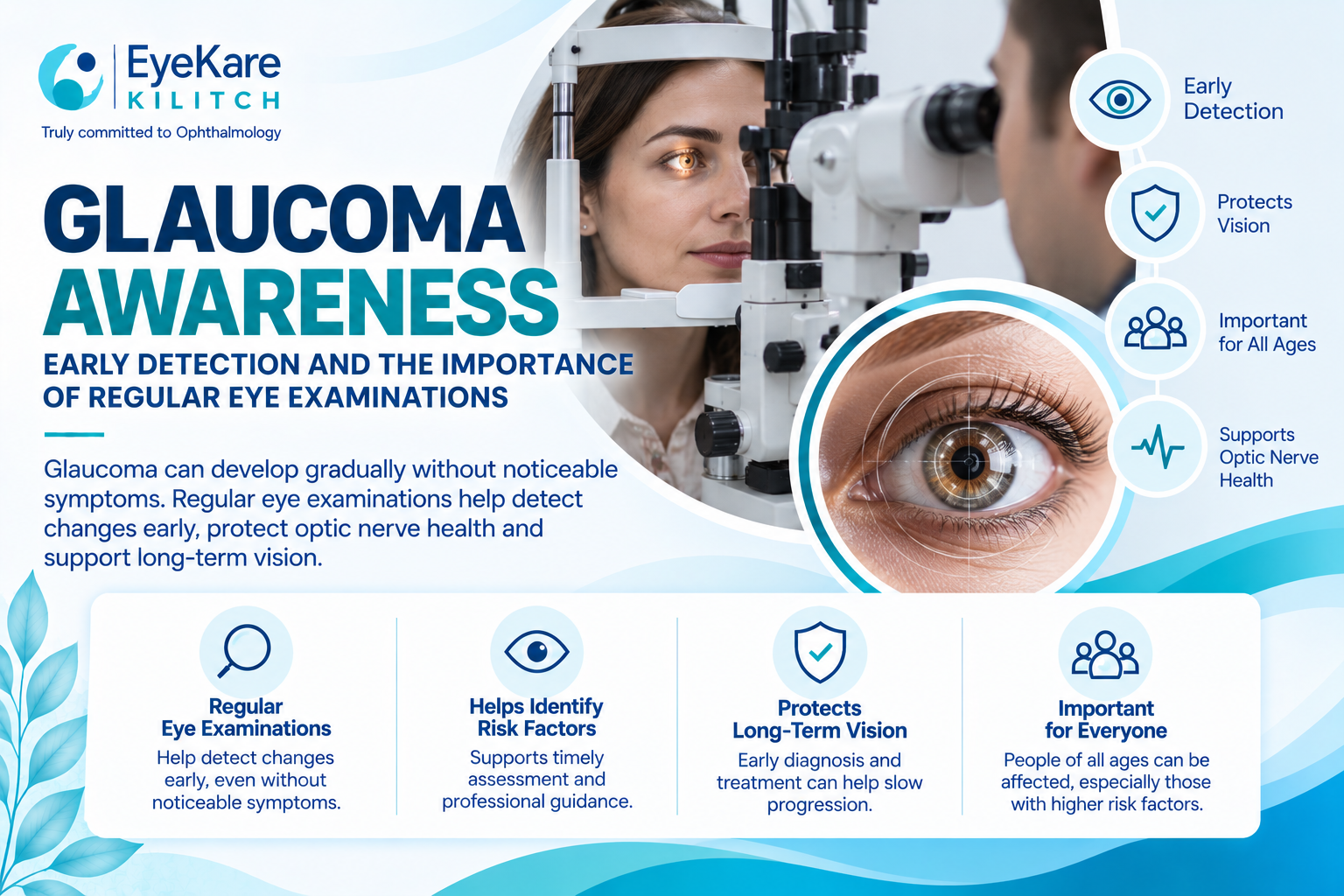
A slit lamp is a specialised microscope that allows the clinician to examine the cornea and other structures at the front of the eye in detail. It can help identify scratches, inflammation, cloudiness, and other abnormalities.
Corneal Topography
Corneal topography creates a map of the cornea’s surface shape. It may be used when assessing conditions such as keratoconus or planning certain vision procedures.
Corneal Thickness Measurement
Corneal thickness can be measured using specialised equipment. This may be helpful when investigating particular corneal disorders or assessing other aspects of eye health.
Additional Tests
Depending on the findings, a clinician may recommend further testing, such as evaluating the eye’s surface, checking vision, or collecting a sample when an infection is suspected.
The appropriate tests depend on the individual and cannot be determined from symptoms alone.
Treatment Options for Corneal Problems
Treatment varies according to the underlying cause, severity, and effect on vision. Some conditions can be managed with prescribed medication or changes in contact lens use, while others may require specialised procedures.
For example, a clinician may recommend appropriate medication for certain infections, protective measures for selected injuries, or specialist monitoring for progressive corneal conditions. Advanced disease may require procedures such as corneal cross-linking or, in some cases, corneal transplantation.
Never use steroid eye drops, antibiotic drops, or other prescription treatments without professional guidance. The wrong treatment can worsen some corneal conditions.
Conclusion
The cornea is essential for protecting the eye and helping focus light for clear vision. Conditions such as corneal abrasions, keratitis, keratoconus, and corneal ulcers can affect its health and may require timely medical care.
By practising safe contact lens habits, protecting the eyes from injury, avoiding forceful eye rubbing, and arranging appropriate eye examinations, people can take meaningful steps to support corneal health.
If you notice eye pain, persistent redness, light sensitivity, or changes in vision, consult a qualified eye care professional for an assessment.