Why Contract Manufacturing Matters in Ophthalmics
Developing and commercializing an ophthalmic product requires more than a suitable formulation. Companies must also address sterile manufacturing, packaging, quality control, documentation and production capacity. An experienced ophthalmic manufacturing partner can bring these capabilities together while allowing the product owner to focus on brand development, market strategy and distribution.
Contract manufacturing can be particularly useful for companies that do not operate their own specialized ophthalmic production facilities. Instead of establishing every manufacturing function internally, a business can work with a qualified manufacturing organization that has the infrastructure and expertise required for the intended product.
What Is an Ophthalmic Contract Manufacturing Company?
An ophthalmic contract manufacturing company produces ophthalmic pharmaceutical products on behalf of another business under an agreed technical, quality and commercial framework. The scope may vary from manufacturing an established formulation to supporting product development, packaging and scale-up.
The manufacturing relationship should clearly define responsibilities for formulation, raw materials, production, packaging, testing, documentation, regulatory requirements and release activities. The exact scope depends on the product and the agreement between the parties.
For ophthalmic products, manufacturing capability is closely connected to sterile processing and product quality. A suitable partner therefore needs more than general pharmaceutical manufacturing capacity; it should have capabilities appropriate to the specific ophthalmic product and process.
What Services Can an Ophthalmic Contract Manufacturer Provide?
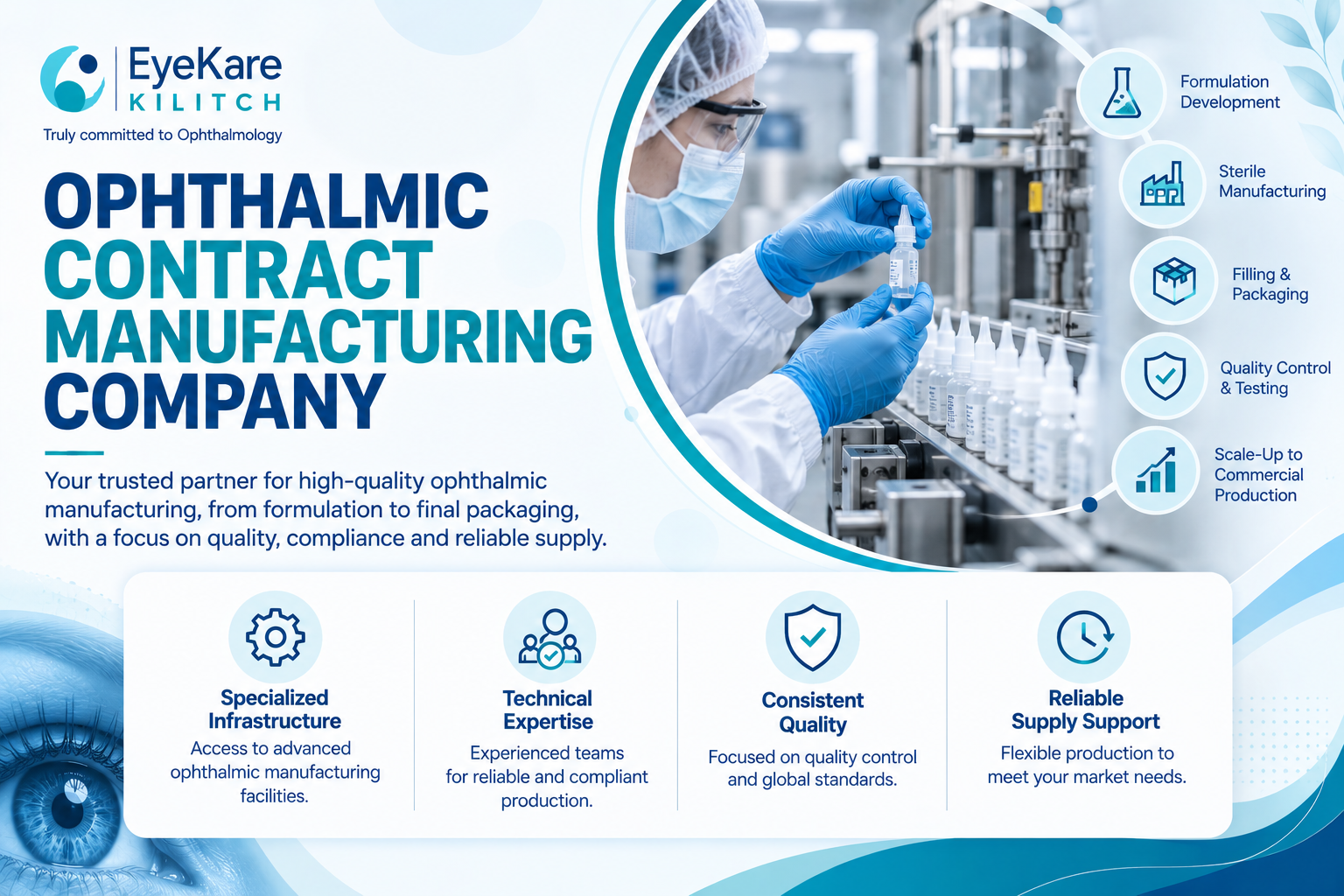
Formulation and Product Development
Depending on the agreed scope, a manufacturing partner may support formulation development, optimization and technical evaluation. Product development should consider stability, compatibility, manufacturing feasibility and the intended packaging system.
Sterile Manufacturing
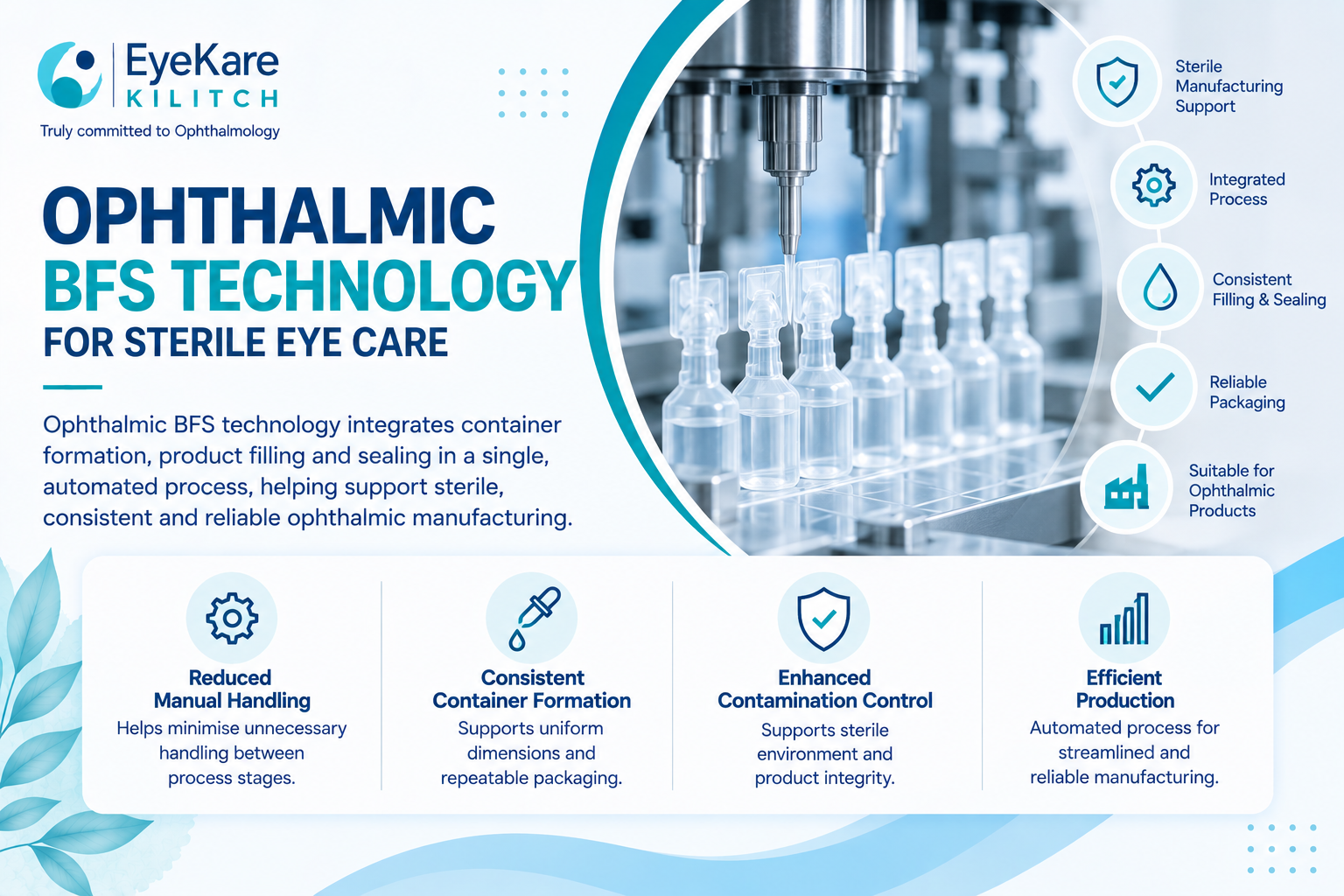
Suitable ophthalmic products require controlled manufacturing processes and appropriate quality systems. The manufacturer should have infrastructure and validated processes aligned with the product’s requirements.
Filling and Packaging
Contract manufacturing may include filling, container handling, sealing, labeling and other packaging activities. The packaging format should be compatible with the formulation and intended product use.
Quality Control and Testing
A robust quality function supports testing of raw materials, in-process materials and finished products according to established specifications and procedures.
Scale-Up and Commercial Production
A manufacturing partner can support the transition from development or pilot quantities to routine commercial production when the formulation and process are sufficiently established.
Benefits of Working With an Ophthalmic Contract Manufacturing Partner
Access to Specialized Infrastructure
Companies can access specialized production areas, equipment, quality systems and technical capabilities without building an entire ophthalmic manufacturing facility themselves.
Reduced Manufacturing Complexity
Outsourcing suitable manufacturing activities can reduce the operational burden associated with production planning, equipment management, staffing and routine manufacturing operations.
Production Flexibility
A suitable partner may support different product formats, batch requirements and packaging configurations according to available capabilities and the agreed manufacturing scope.
Technical Expertise
Experienced teams can contribute knowledge related to formulation, sterile production, packaging, process control and quality requirements.
Faster Commercial Readiness
When the required infrastructure and processes are already established, working with an appropriate manufacturing partner can help reduce the time and complexity involved in setting up production.
How to Choose an Ophthalmic Contract Manufacturing Company
The selection process should begin with the product itself. Companies should define the formulation, dosage form, required fill volume, packaging format, expected production scale and target markets before evaluating potential partners.
Ophthalmic-Specific Experience
Look for experience with products and processes relevant to the proposed formulation. Ophthalmic manufacturing can have specialized requirements that differ from other pharmaceutical categories.
Manufacturing Infrastructure
Evaluate production areas, filling systems, packaging capabilities, utilities, environmental controls and equipment relevant to the intended product.
Quality Systems
Quality management should cover documentation, testing, deviation handling, change control, batch records and other applicable quality activities.
Development and Scale-Up Capability
A partner should be able to demonstrate how technical development can transition into controlled commercial production where this service is required.
Quality and Compliance Considerations
Quality should remain central to the contract manufacturing decision because ophthalmic products require consistent control across formulation, manufacturing, packaging and testing. A suitable sterile ophthalmic manufacturing operation should have documented procedures, trained personnel, appropriate environmental controls and defined quality checks.
The product owner and manufacturing partner should establish clear responsibilities for specifications, raw material approval, testing, batch documentation, deviations, changes and product release. Clear communication is important because manufacturing quality depends on coordinated decisions across both organizations.
Before commercial production, the agreed process should be appropriately qualified and validated. Ongoing monitoring and periodic review can help maintain consistent performance as production continues.
Role of Packaging in Ophthalmic Contract Manufacturing
Packaging is an important part of an ophthalmic manufacturing program because it can influence product protection, usability, stability and contamination control. The selected container must be compatible with the formulation and appropriate for the intended route and method of administration.
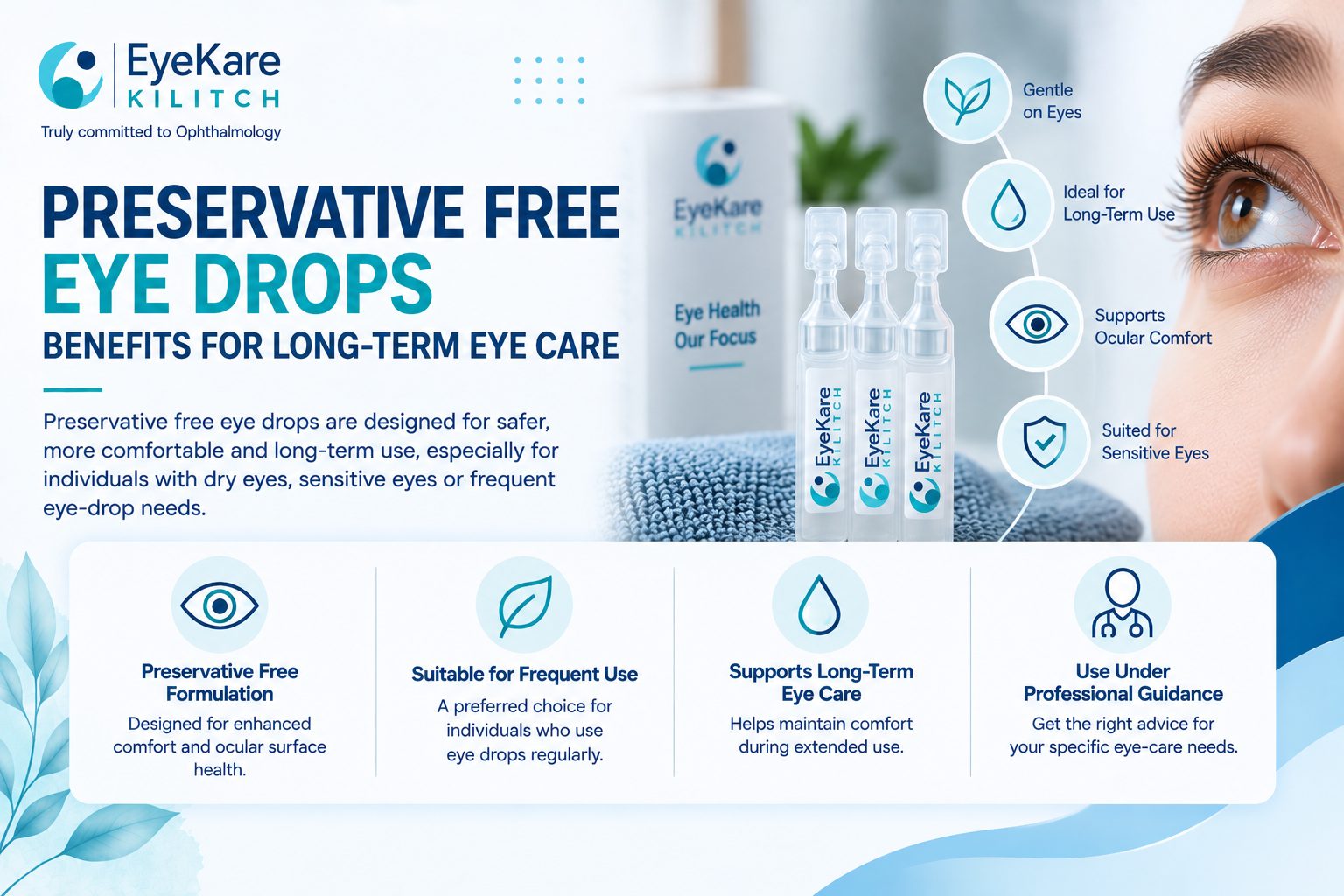
Depending on the product, packaging may include multidose containers, single-dose formats or other specialized systems. Container design, filling method, sealing and integrity should be evaluated as part of the complete product-development and manufacturing process.
A contract manufacturer should therefore be able to coordinate formulation and packaging considerations rather than treating packaging as an isolated final step.
From Product Development to Commercial Manufacturing
Technical Assessment
The product concept, formulation, dosage form and manufacturing requirements are reviewed to determine technical feasibility.
Process Development
The manufacturing process is developed and refined, with critical parameters and product requirements identified.
Pilot or Scale-Up Activities
Where required, development quantities can be used to evaluate process performance before routine commercial production.
Commercial Manufacturing
Once the required development, qualification and validation activities are complete, the agreed process can move into routine production under the established quality system.
Why Communication and Documentation Matter
Contract manufacturing involves two organizations working toward the same product outcome. Clear technical specifications, approved documentation and defined responsibilities help reduce misunderstandings during development and production.
Regular communication is especially important when formulations, packaging components, specifications or production plans change. A structured change-control process helps both parties evaluate the effect of proposed changes before implementation.
Good documentation also supports traceability. Production records, test results, approvals and quality communications provide a documented history of how the product was manufactured and evaluated.
Key Questions to Ask Before Selecting a Partner
Before entering a manufacturing agreement, companies should confirm whether the prospective partner can support the intended dosage form, formulation, packaging and production scale. It is also useful to understand the available development, testing and quality-control capabilities.
Other practical considerations include manufacturing timelines, minimum batch requirements, packaging options, technical communication, documentation responsibilities and the process for handling deviations or changes. A detailed assessment helps align expectations before production begins.
Conclusion
An ophthalmic contract manufacturing company can provide the specialized infrastructure, technical expertise and quality systems needed to manufacture suitable ophthalmic products without requiring the product owner to build every manufacturing capability internally. The value of the partnership depends on how well the manufacturer’s capabilities match the formulation, dosage form, packaging and production requirements.
For businesses evaluating manufacturing options, the right partner should be assessed across product development, sterile processing, packaging, quality control, documentation and scale-up capabilities. Choosing an experienced ophthalmic pharmaceutical manufacturing partner can create a more coordinated path from product concept to reliable commercial production while maintaining focus on quality and consistency.