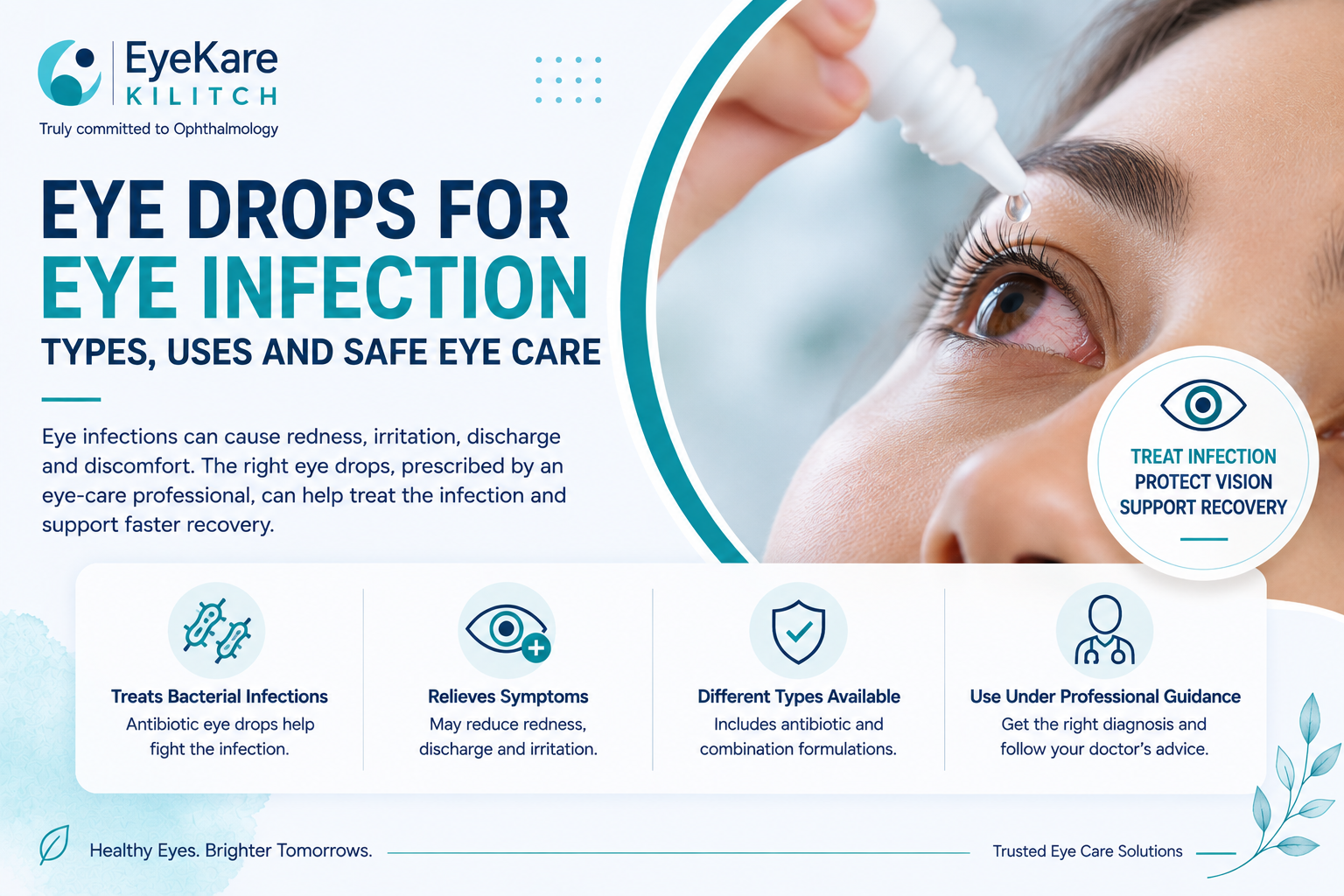
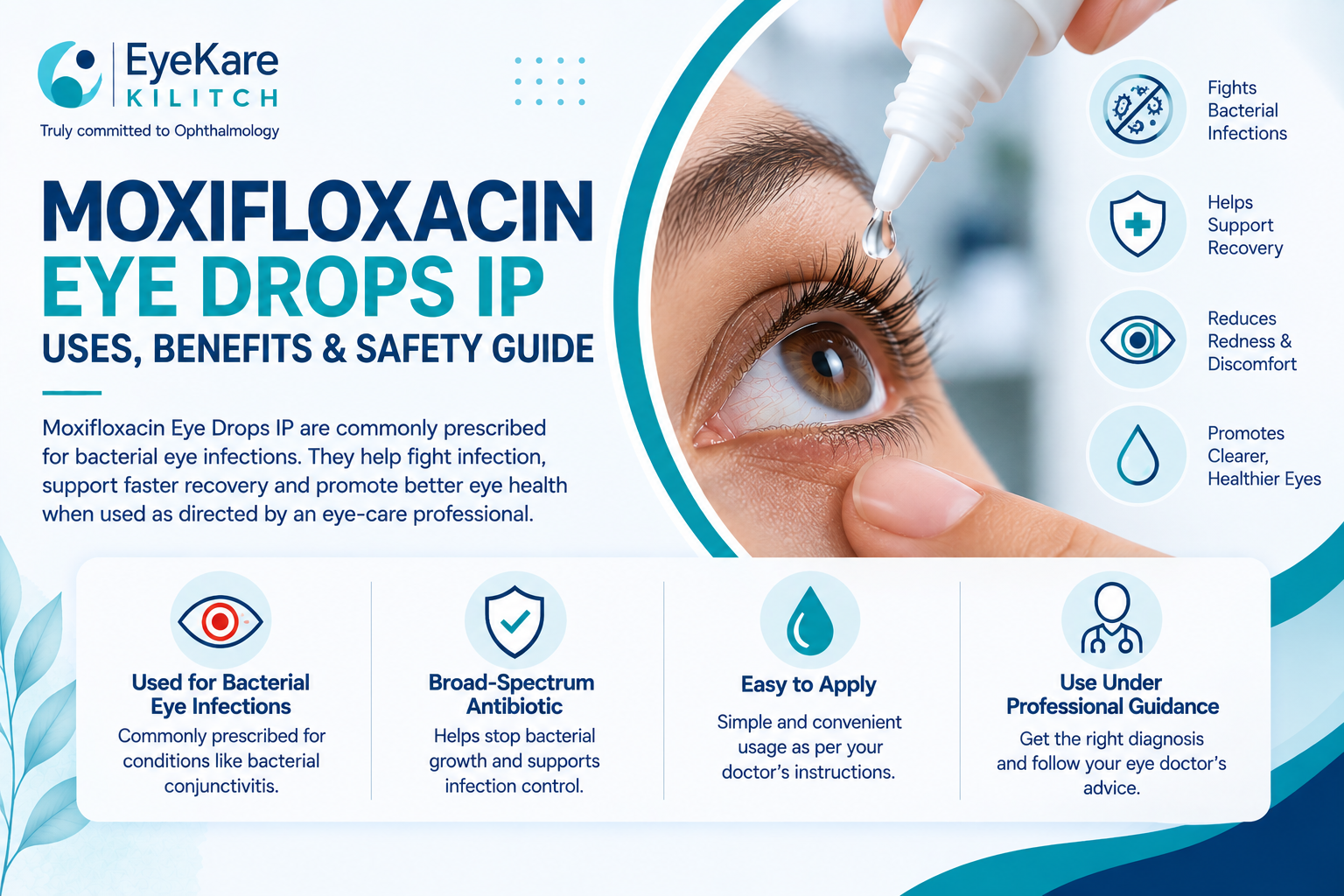
Eye infections can affect people of all ages and may cause discomfort, redness, irritation, and discharge. While some eye conditions result from allergies or dryness, others are caused by bacterial infections that require appropriate medical treatment. Early diagnosis and timely management are important because untreated infections can affect eye health and daily activities.
Among the medicines commonly prescribed for bacterial eye infections are Moxifloxacin Eye Drops IP. These ophthalmic formulations contain moxifloxacin, a broad-spectrum antibiotic used in ophthalmology to help manage certain bacterial infections of the eye.
Understanding how moxifloxacin eye drops work, when they are prescribed, and how they should be used can help patients follow treatment recommendations more effectively.
What Are Moxifloxacin XEye Drops IP?
Moxifloxacin Eye Drops IP are antibiotic ophthalmic preparations containing moxifloxacin, a fluoroquinolone antibiotic. They are used in the treatment of susceptible bacterial eye infections as prescribed by an eye-care professional.
The “IP” designation refers to compliance with standards outlined in the Indian Pharmacopoeia, which establishes quality specifications for pharmaceutical products.
Moxifloxacin ophthalmic formulations are designed for local application to the eye and are commonly used in ophthalmic practice when bacterial infection is suspected or confirmed.
Understanding Bacterial Eye Infections
Bacterial infections can affect different parts of the eye and surrounding tissues. One of the most common conditions treated with antibiotic eye drops is bacterial conjunctivitis.
Symptoms may include:
- Redness of the eye
- Sticky or thick discharge
- Crusting around the eyelids
- Irritation or discomfort
- Excessive tearing
- Foreign-body sensation
These symptoms may resemble those caused by allergies or viral infections, which is why proper diagnosis is important.
Not every red eye requires antibiotic treatment. The cause should always be evaluated before starting medication.
How Do Moxifloxacin Eye Drops Work?
Moxifloxacin Eye Drops IP work by targeting susceptible bacteria responsible for certain eye infections.
Moxifloxacin interferes with bacterial enzymes involved in DNA replication and repair. This action helps prevent bacterial growth and multiplication.
By reducing the bacterial load, the medication supports recovery from infection when used according to prescribed instructions.
Because antibiotics are intended for bacterial infections, they are not appropriate for treating viral eye infections, allergic conjunctivitis, or dry-eye symptoms unless specifically recommended by a healthcare professional.
Common Uses of Moxifloxacin Eye Drops IP
Ophthalmologists may prescribe moxifloxacin eye drops for various bacterial eye conditions depending on clinical assessment.
Potential uses may include:
Bacterial Conjunctivitis
Bacterial conjunctivitis is one of the most common reasons for prescribing ophthalmic antibiotics. It can cause redness, discharge, and eyelid crusting.
Post-Procedure Eye Care
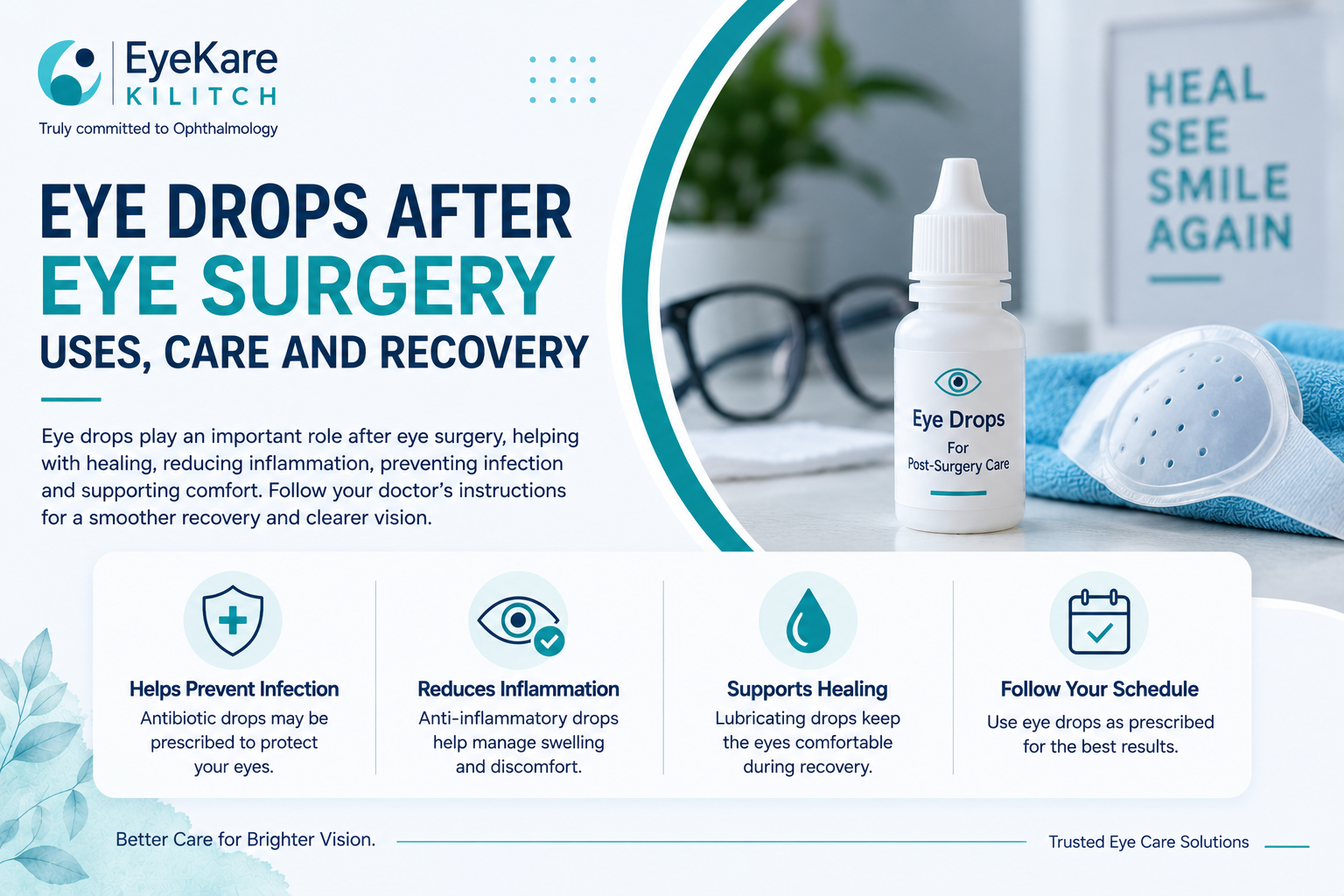
In some situations, antibiotic eye drops may be used as part of post-procedure ophthalmic care according to medical recommendations.
Infection Prevention and Management
Depending on individual circumstances, ophthalmologists may recommend antibiotic therapy to help manage or reduce the risk of bacterial infection.
Treatment decisions should always be based on professional evaluation and patient-specific requirements.
Why Proper Diagnosis Matters
Many people assume that every red eye requires antibiotic treatment. However, this is not always true.
Eye redness can result from:
- Allergies
- Dry eye disease
- Viral infections
- Contact lens irritation
- Environmental irritants
- Inflammatory conditions
Using antibiotics unnecessarily may not improve symptoms if the underlying cause is not bacterial.
Accurate diagnosis helps ensure that the most appropriate treatment approach is selected.
How to Use Moxifloxacin Eye Drops Correctly
Correct administration helps maximize effectiveness while reducing contamination risks.
Follow these general steps:
- Wash your hands thoroughly.
- Shake the bottle if instructed.
- Tilt your head back slightly.
- Pull down the lower eyelid gently.
- Instill the prescribed number of drops.
- Close your eyes gently after application.
- Avoid touching the dropper tip.
- Replace the cap securely.
Patients should always follow the dosing schedule recommended by their ophthalmologist.
Skipping doses or stopping treatment early may affect treatment outcomes.
Important Precautions
Before using Moxifloxacin Eye Drops IP, patients should discuss their medical history and current medications with their healthcare provider.
Important precautions include:
Follow Prescribed Duration
Even if symptoms begin to improve, treatment should generally be completed according to professional advice.
Avoid Self-Medication
Antibiotic eye drops should not be used without proper medical guidance.
Do Not Share Eye Drops
Sharing ophthalmic medications can increase the risk of contamination and infection transmission.
Maintain Hygiene
Good hand hygiene can help reduce the spread of infectious organisms.
Contact Lens Considerations
People who wear contact lenses should be particularly cautious during an eye infection.
In many cases, contact lenses should not be worn while an active infection is being treated.
Patients should follow their ophthalmologist’s recommendations regarding:
- Lens removal
- Lens replacement
- Cleaning and storage practices
- Resuming contact-lens wear
Proper lens hygiene remains an important aspect of eye health.
Possible Side Effects
Like other ophthalmic medications, Moxifloxacin Eye Drops IP may cause side effects in some individuals.
Potential effects may include:
- Mild eye irritation
- Temporary burning sensation
- Eye discomfort
- Watering of the eyes
- Temporary blurred vision immediately after application
Most side effects are generally mild and temporary, but persistent or severe symptoms should be reported to an eye-care professional.
The Importance of Quality in Ophthalmic Manufacturing
Because eye drops come into direct contact with sensitive ocular tissues, manufacturing quality plays a crucial role in ophthalmic products.
Important quality considerations include:
- Sterile production environments
- Consistent formulation standards
- Packaging integrity
- Product stability
- Regulatory compliance
- Quality-control testing
An experienced Ophthalmic Pharma Company focuses on maintaining these standards throughout product development and manufacturing.
Choosing a Trusted Eye Care Brand
When it comes to ophthalmic products, quality, consistency, and manufacturing expertise are important considerations.
A Trusted Eye Care Brand typically focuses on:
- Specialized ophthalmic development
- Quality-driven manufacturing
- Regulatory compliance
- Product innovation
- Patient-focused solutions
EyeKare Kilitch is dedicated to ophthalmic healthcare and offers a portfolio that includes anti-infective, anti-allergy, glaucoma, lubrication, and other eye-care formulations designed to support diverse ophthalmic needs.
When Should You Seek Immediate Medical Attention?
Professional evaluation is important if symptoms are severe or worsening.
Seek prompt medical advice if you experience:
- Significant eye pain
- Sudden vision changes
- Severe swelling
- Eye injury
- Increasing redness despite treatment
- Persistent symptoms after completing therapy
Early intervention can help protect eye health and support appropriate management.
Final Thoughts
Moxifloxacin Eye Drops IP are widely used ophthalmic antibiotic formulations prescribed for certain bacterial eye infections. When used appropriately and under professional guidance, they can play an important role in infection management.
However, not all red or irritated eyes require antibiotic treatment. Proper diagnosis, adherence to prescribed instructions, good hygiene practices, and regular follow-up with an eye-care professional remain essential components of effective eye care.
For ophthalmic manufacturers, maintaining high standards of quality, sterility, and formulation consistency continues to be a critical part of delivering reliable eye-care solutions.