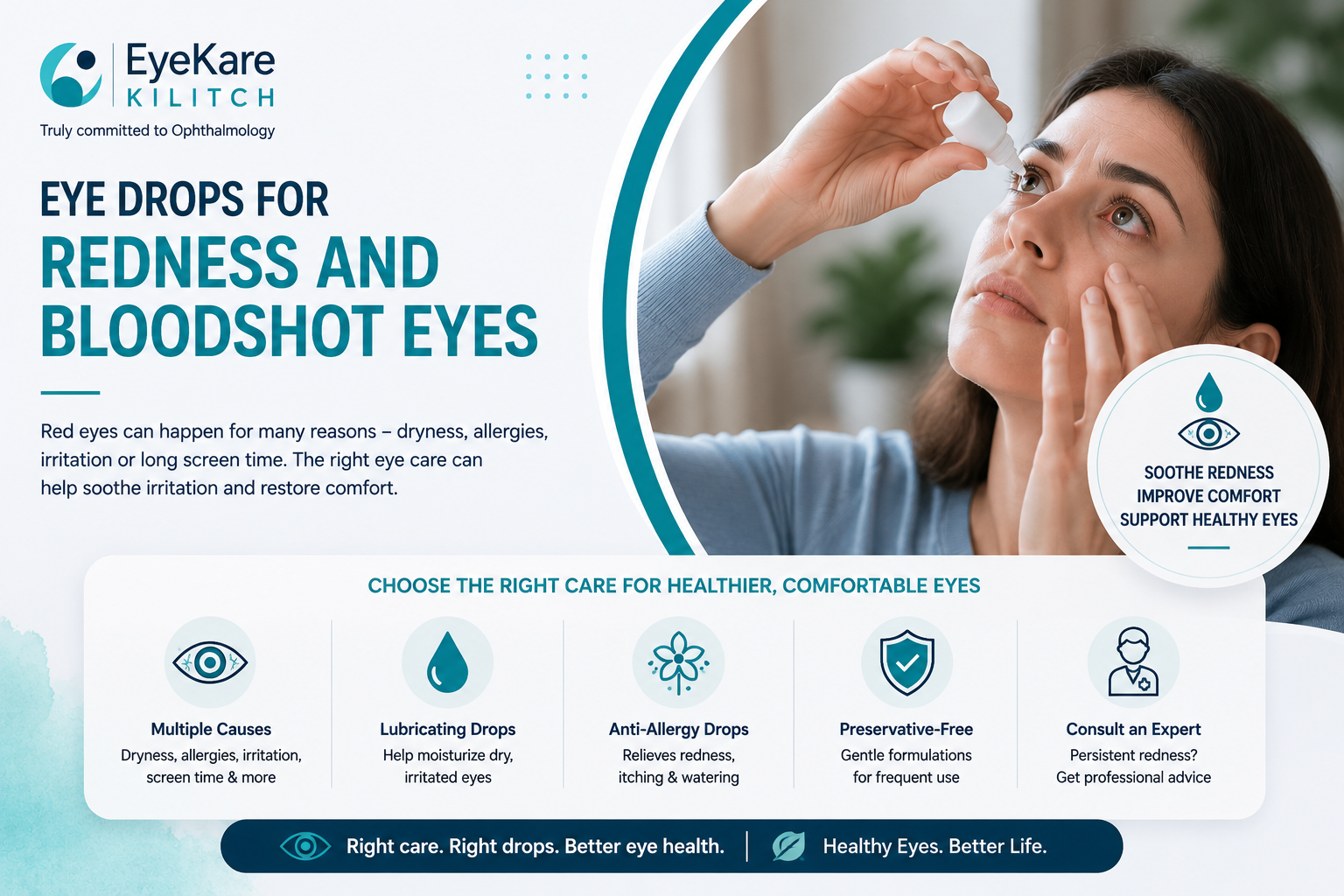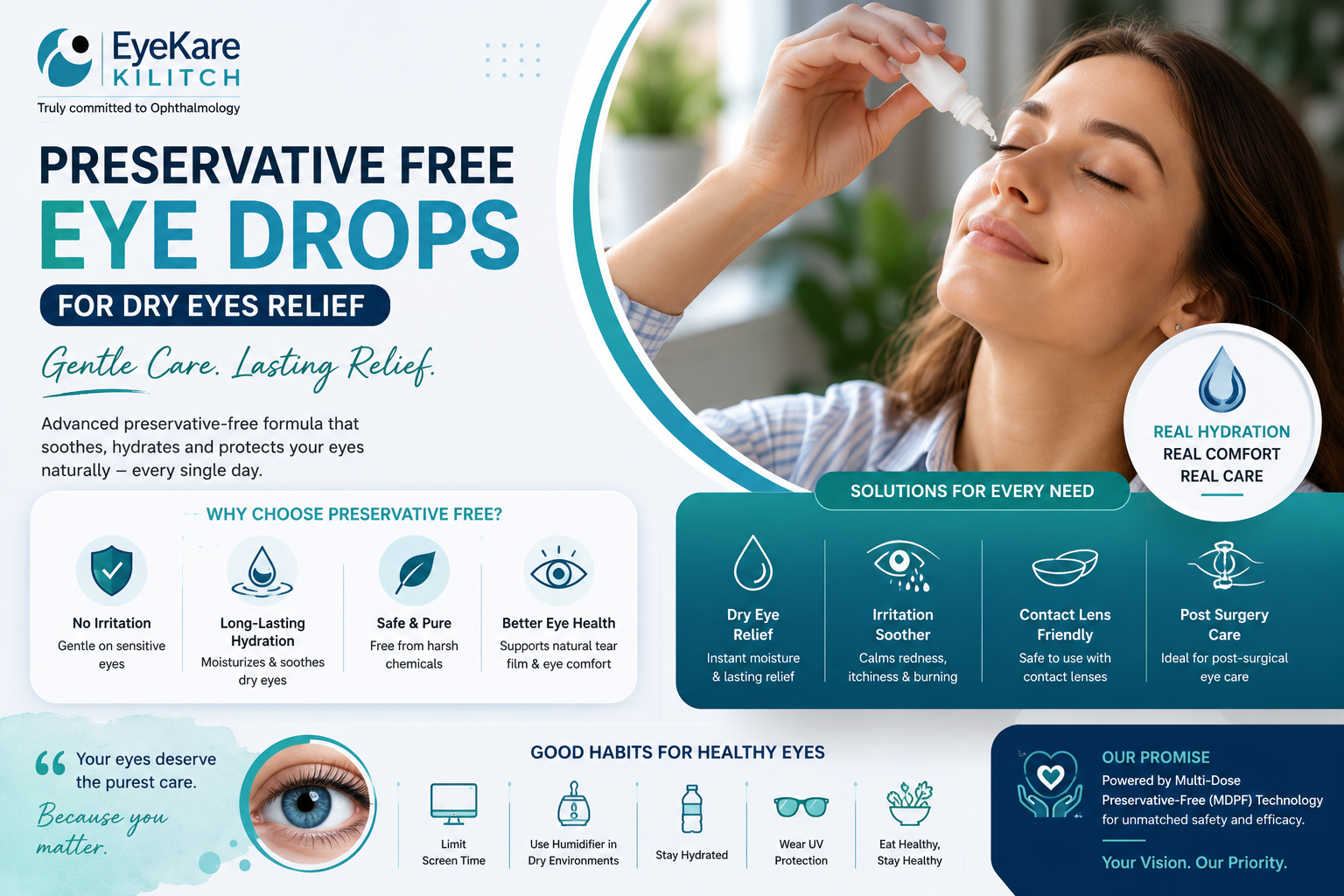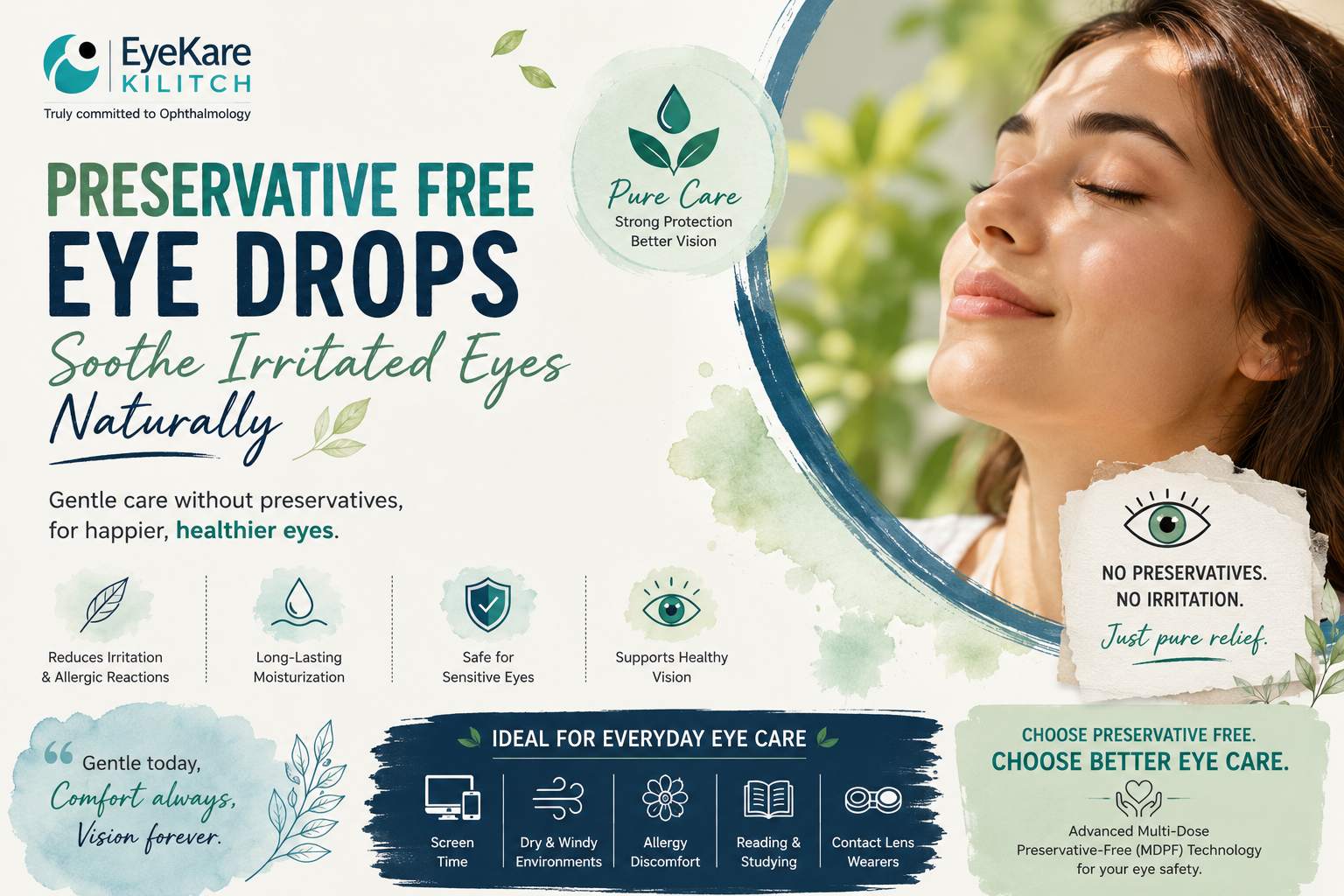
Why Preservative Free Eye Drops For Dry Eyes Are the Ultimate Game-Changer for Chronic Relief
Imagine waking up, opening your eyes, and immediately feeling like someone threw a handful of sand into them. For the rest of the day, you are battling a stinging, gritty, burning sensation that makes you desperate for relief, which is why finding the right Preservative Free Eye Drops For Dry Eyes is so critical. Your vision blurs randomly, your eyes feel heavy, and by the time you close your laptop, you just want to sit in a dark room with a cold compress over your face.
If this sounds familiar, you are likely part of the growing demographic of people dealing with chronic ocular discomfort.
Naturally, when your eyes feel like a desert, you reach for the closest bottle of artificial tears to find an oasis. You squeeze a drop in, feel a momentary rush of relief, and get back to work. But an hour later, the burn is back. So, you use another drop. And another. Soon, you are using drops a dozen times a day, yet your eyes actually feel worse than before.
What if the very product you are using to heal your eyes is actually keeping them sick?
This is the harsh reality of traditional, over-the-counter eye care. To truly manage the condition, you have to look at what you are putting onto your ocular surface. Today, we are breaking down the dirty secret of standard artificial tears and exploring exactly how Preservative Free Eye Drops For Dry Eyes can break the cycle of irritation and help you reclaim your comfort.
The Vicious Cycle of Chronic Dry Eye
To understand why the type of drop matters, we have to look at what goes wrong when you have chronic dry eye. It is rarely just a simple lack of water. Usually, it is a breakdown of your tear film.
Your tear film is a microscopic shield that coats the front of your eye. It consists of three perfectly balanced layers:
-
The Mucin Layer: The sticky bottom layer that acts like glue, holding the tears onto the surface of your eye.
-
The Aqueous Layer: The watery middle section that hydrates, nourishes, and flushes away microscopic debris.
-
The Lipid Layer: The oily top layer that acts as a lid, sealing the moisture in and stopping it from evaporating into the air.
When you have chronic dry eye, this system is failing. Often, the lipid (oil) layer is compromised due to staring at screens all day, hormonal changes, or environmental factors. Without that oil, your tears evaporate instantly. Your eye is left exposed, vulnerable, and inflamed. It is a highly sensitive ecosystem—and introducing harsh chemicals to it is a recipe for disaster.
The Dark Side of Traditional Artificial Tears
If you look at a standard, inexpensive bottle of eye drops at the pharmacy, you will notice it is meant to last a long time. Every time you open the cap, air (and potentially bacteria) enters the bottle. To prevent that bacteria from turning the liquid into a dangerous infection risk, manufacturers load the solution with chemical preservatives.
The most common preservative used is Benzalkonium Chloride (BAK).
BAK is incredible at killing bacteria in the bottle. The problem? It is also incredibly toxic to the fragile cells on the surface of your eye.
Think of BAK like a strong household detergent. If you wash your hands with a harsh detergent once, your skin might feel a bit tight. But if you wash your hands with it ten times a day, your skin will crack, bleed, and become severely inflamed. The exact same thing happens to your eyes.
When you use preserved eye drops repeatedly:
-
They strip away your natural oils: The preservatives dissolve the crucial lipid layer of your tear film, making your natural tears evaporate even faster.
-
They damage surface cells: Instead of healing the microscopic scratches on your dry cornea, preservatives cause cell toxicity and slow down the healing process.
-
They trigger inflammation: Your eye recognizes the chemical as a foreign irritant, causing increased redness, stinging, and swelling.
This creates a brutal cycle: your eyes are dry, so you use a drop. The drop provides two minutes of moisture but damages the tear film. Your eyes get drier faster, so you use more drops.
The Clean Alternative: How Preservative Free Eye Drops For Dry Eyes Work
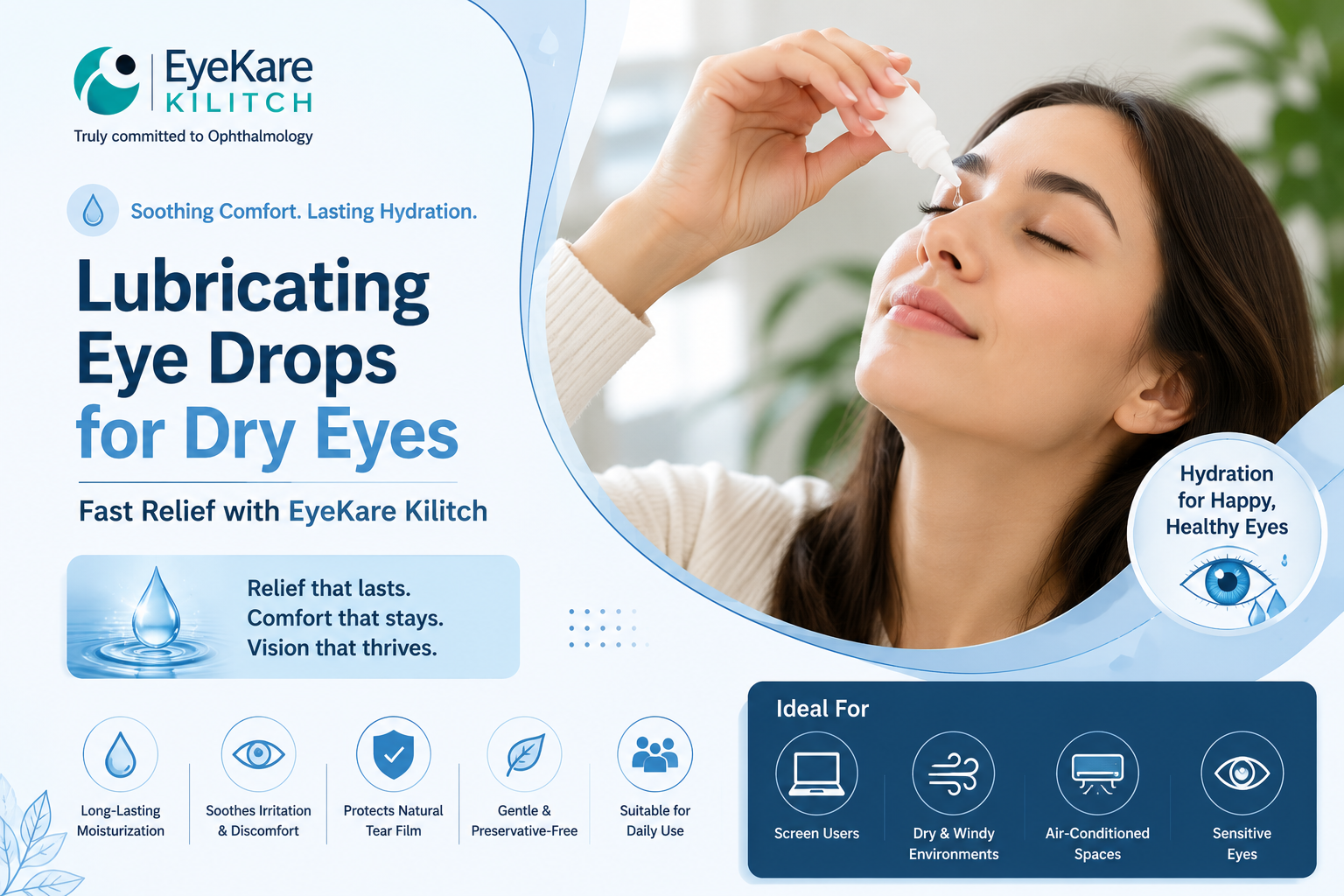
The solution to this cycle is remarkably simple but wildly effective. Preservative Free Eye Drops For Dry Eyes are exactly what they sound like: pure, hydrating formulas that contain absolutely zero chemical preservatives.
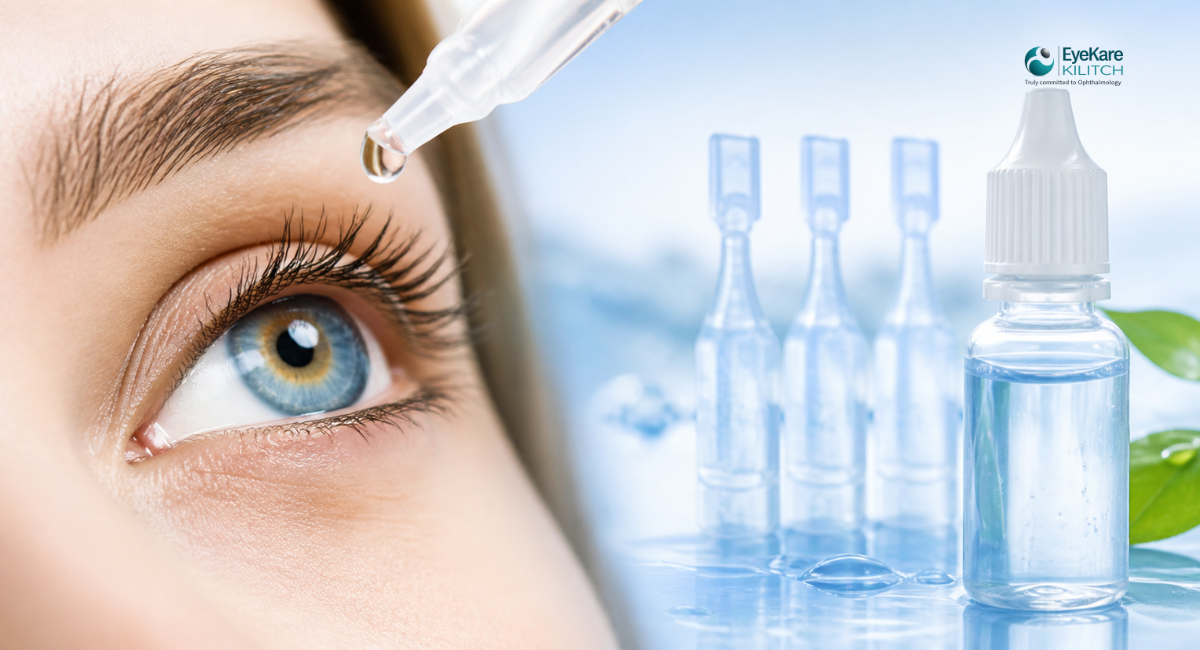
They are designed to mimic the biological makeup of your natural tears. Because they don’t rely on chemicals to stay sterile, they use innovative packaging instead:
-
Single-Dose Vials: Small, plastic pipettes that hold just enough liquid for a single application or a single day. You twist the top off, use them, and throw them away before bacteria can grow.
-
Advanced Multi-Dose Bottles: A brilliant leap in engineering. These bottles look like standard eye drops, but they feature complex one-way valves and silver-lined filters. Squeezing the bottle pushes a drop out, but the valve immediately snaps shut, making it impossible for contaminated air to get back inside.
5 Ways Preservative Free Eye Drops For Dry Eyes Revolutionize Management
Making the switch from standard drops to a clean formula is often the “lightbulb moment” for chronic sufferers. Here is how Preservative Free Eye Drops For Dry Eyes actively change the management of the disease:
1. Unlimited, Guilt-Free Relief
If you read the back of a preserved eye drop box, it usually comes with a strict warning: Do not use more than 4 times daily. This is because using preservatives more than four times a day leads to toxic buildup. But what if your eyes are burning at 10 AM, 12 PM, 2 PM, and 4 PM?
Because they are gentle and biologically friendly, you can use these cleaner formulas as often as you need them without the risk of chemical toxicity.
2. Breaking the “Rebound Redness” Loop
Many traditional drops use harsh vasoconstrictors alongside preservatives. They shrink your blood vessels temporarily, but when they wear off, the blood vessels swell up even larger, making your eyes redder than before. Clean, natural hydration soothes the tissue. Over time, as the eye heals and inflammation drops, the natural whiteness of your eyes returns without chemical tricks.
3. Creating an Environment for Cellular Healing
Chronic dryness causes real, physical damage to your cornea. The surface cells become compromised. A clean drop does not just wet the eye; it acts as a liquid bandage. By flushing the eye with pure hydration and keeping chemical irritants out, they give the epithelial cells the quiet, stable environment they need to regenerate and heal.
4. Ultimate Contact Lens Compatibility
Contact lenses act like microscopic sponges. If you put a preserved eye drop over a contact lens, the lens absorbs the chemical preservative and holds it directly against your cornea for the next eight hours. This is a primary reason contact lens wearers suffer from such severe late-day irritation. Clean formulas wash safely over the lens, hydrating the eye without compromising the lens material.
5. Essential Care for Post-Op and Sensitive Eyes
If you have had LASIK, PRK, or cataract surgery, the nerves in your cornea are temporarily severed, leading to severe dryness. Surgeons exclusively prescribe pure formulas during the recovery phase because healing tissue cannot handle chemical toxicity.
The Secret Weapon Inside: Hyaluronic Acid
While avoiding preservatives is the biggest step, you also want to look at what is in the drop. The gold standard ingredient in modern, premium formulations is Hyaluronic Acid (HA) (often listed on the box as Sodium Hyaluronate).
You might recognize HA from high-end skincare serums, and it works the exact same way for your eyes. HA is a natural molecule found in the human body that can hold an astonishing 1,000 times its weight in water.
When you use a high-quality drop powered by Hyaluronic Acid:
-
It clings to the eye: Unlike basic saline water that blinks away in seconds, HA forms a thick, hydrating matrix that sticks to the ocular surface, meaning you have to use the drops less often.
-
It acts as a shock absorber: HA is viscoadaptive. When your eye is open, it acts like a thick gel to stop evaporation. The millisecond you blink, it thins out like water so your eyelids glide smoothly.
-
It promotes tissue repair: Clinical studies have shown that HA actively helps corneal wounds and dry spots heal faster than standard lubricants.
Building a Routine Around Preservative Free Eye Drops For Dry Eyes
Switching to Preservative Free Eye Drops For Dry Eyes is a massive upgrade, but chronic dry eye requires a holistic lifestyle approach. To truly get ahead of the symptoms, combine your new drops with these daily habits:
-
Heat Therapy: Use a microwaveable heated eye mask for 10 minutes every evening. The gentle heat melts the hardened oils in your eyelid glands, allowing your natural lipid layer to flow freely again.
-
Blink Bootcamp: When we stare at phones or monitors, our blink rate drops by half. Force yourself to do “blink exercises”—squeeze your eyes shut tightly for two seconds, then open. Do this a few times an hour to pump fresh oil onto your eye.
-
Hydrate from the Inside Out: Your body cannot make tears if it is dehydrated. Drink plenty of water and consider adding a high-quality Omega-3 supplement to your diet.
-
Adjust Your Environment: Point car vents and desk fans away from your face. The constant flow of air acts like a blow dryer on your tear film.
The Bottom Line on Preservative Free Eye Drops For Dry Eyes
You do not have to just “live with” the burning, gritty, exhausting sensation of chronic ocular surface disease, nor do you have to rely on chemical-laden solutions that offer diminishing returns.
Your eyes are incredibly resilient, but they need the right tools to heal. By choosing Preservative Free Eye Drops For Dry Eyes, you are taking a massive step toward long-term comfort. You are removing the toxic roadblocks, supporting your natural tear film, and finally giving your eyes the pure, uninterrupted hydration they need to thrive.