Introduction
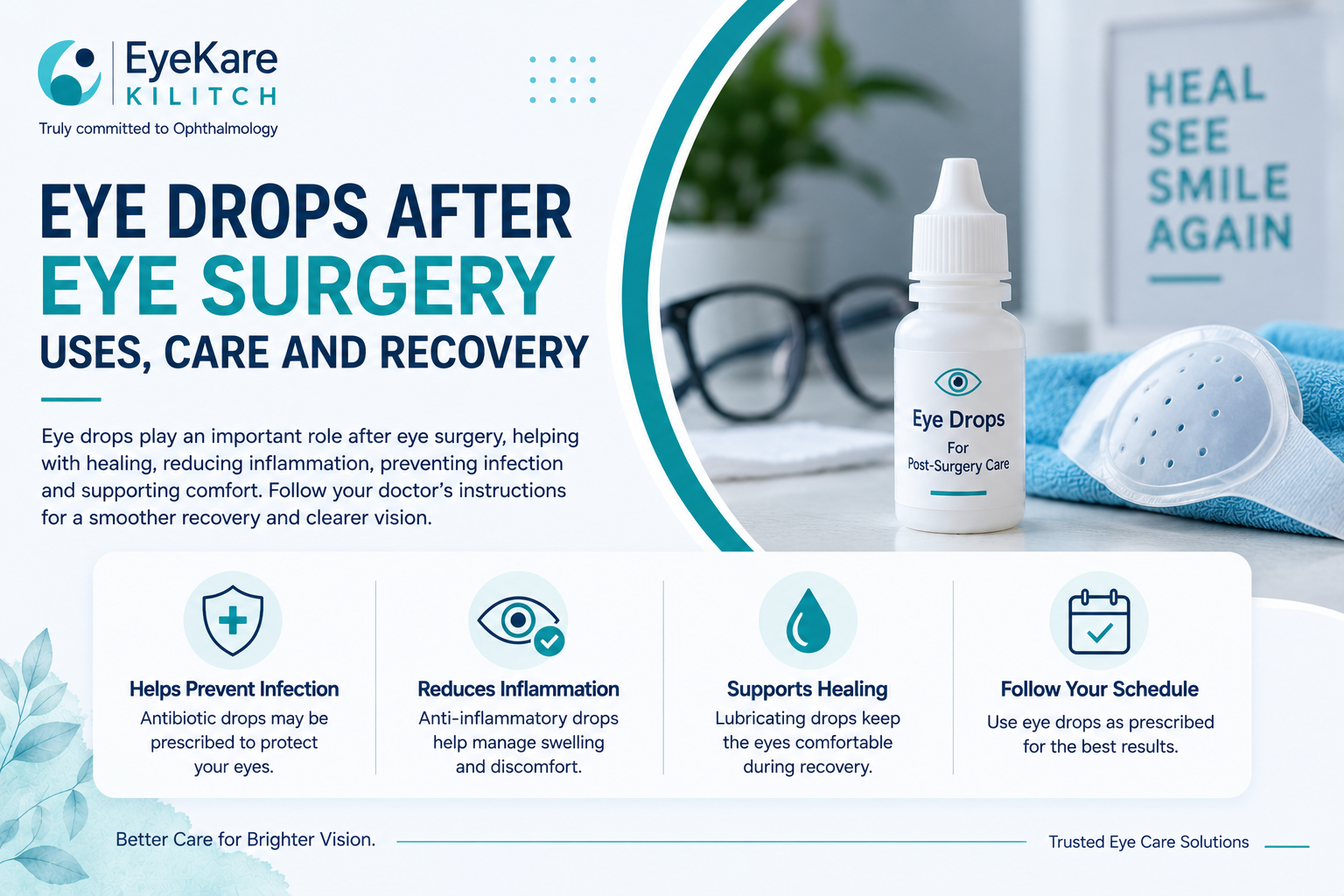
Eye surgery is often followed by a structured period of recovery during which the eye may be more sensitive than usual. Depending on the procedure, an ophthalmologist may prescribe different types of eye drops after eye surgery to support healing, manage inflammation, reduce the risk of infection, or maintain comfort. The exact medicines and duration vary according to the procedure and the patient’s individual condition. Following the prescribed schedule is an important part of post-operative eye care.
Why Are Eye Drops Prescribed After Eye Surgery?
After an ophthalmic procedure, the eye can experience temporary inflammation, irritation, dryness, or discomfort. Some procedures can also create a period in which infection prevention and inflammation control require particular attention. For this reason, doctors may prescribe one or more ophthalmic medicines during recovery.
The purpose of each drop depends on its active ingredient and the procedure performed. A patient may receive an antibiotic, an anti-inflammatory medicine, a lubricant, or a combination of therapies. The prescription should always be followed as directed rather than adjusted based on symptoms alone.
Common Types of Eye Drops Used After Surgery
Antibiotic Eye Drops
Antibiotic eye drops may be prescribed when protection against bacterial infection is required after an ophthalmic procedure. The specific medicine, dose, and duration depend on the procedure and the ophthalmologist’s instructions. Antibiotics should not be used unnecessarily or continued beyond the prescribed course.
Anti-Inflammatory Eye Drops
Inflammation can occur as part of the normal response to surgery. Depending on the procedure and clinical assessment, an ophthalmologist may prescribe an anti-inflammatory ophthalmic medicine to help manage post-operative inflammation. Different anti-inflammatory medicines have different indications and precautions, so the prescribed product should be used exactly as directed.
EyeKare’s ophthalmic portfolio includes products in categories such as NSAIDs and steroid-containing formulations, supporting different therapeutic requirements in ophthalmology.
Lubricating Eye Drops
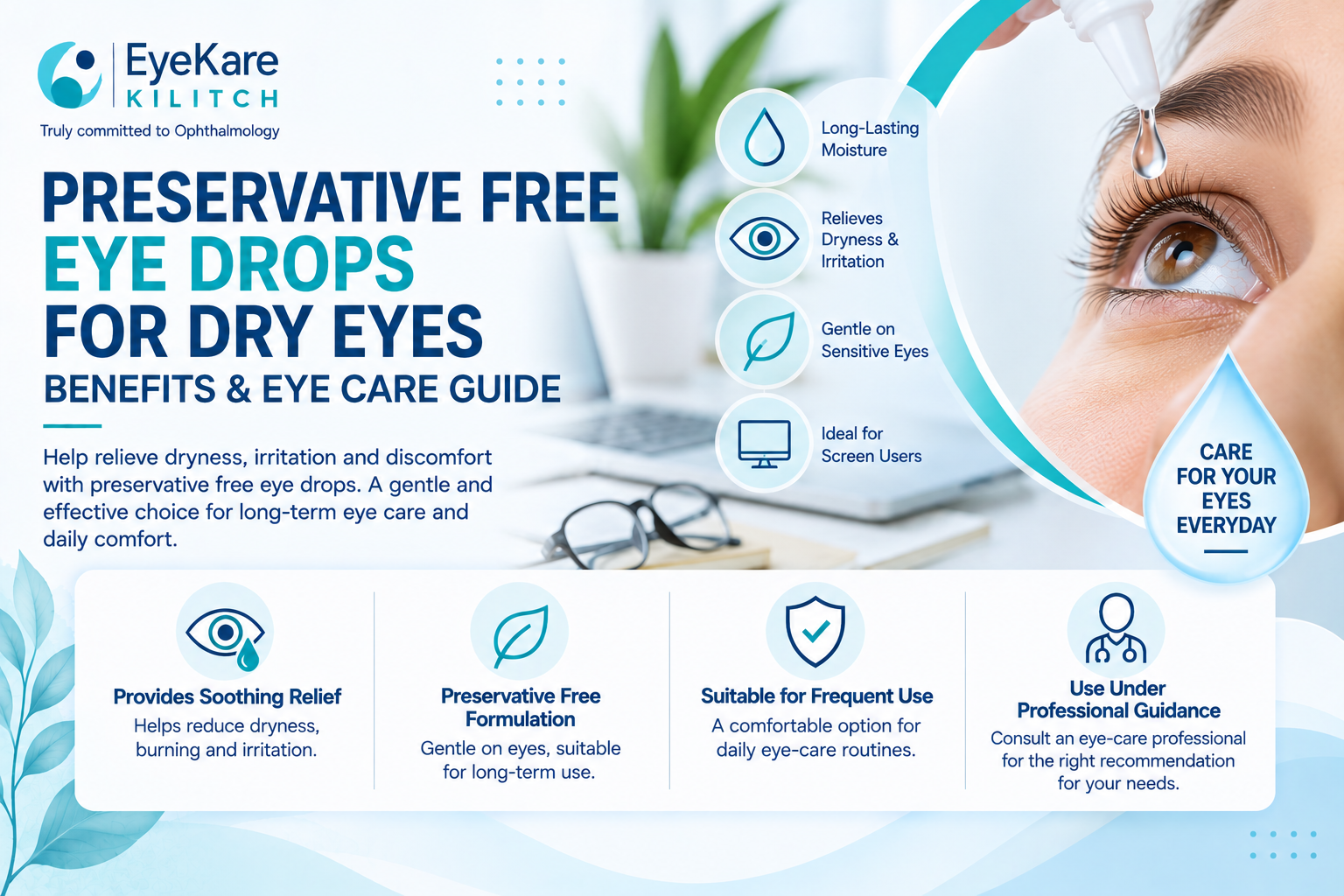
Some patients experience temporary dryness, grittiness, burning, or discomfort after eye procedures. Lubricating eye drops may be recommended to support ocular surface comfort. The choice of lubricant can depend on the patient’s symptoms, frequency of use, and the advice of the treating professional.
EyeKare develops ophthalmic formulations including lubricants designed for different eye-care needs. Its ophthalmic solutions portfolio includes sodium hyaluronate, polyethylene glycol and propylene glycol, carboxymethylcellulose, and other formulations.
Eye Drops After Different Types of Eye Surgery
After Cataract Surgery
Cataract surgery is commonly followed by a prescribed eye-drop routine. Depending on the surgeon’s protocol, patients may receive medicines intended to manage inflammation, support infection prevention, or improve ocular comfort.
After LASIK and Other Refractive Procedures
Refractive procedures can temporarily affect the ocular surface and may be associated with dryness, sensitivity, or irritation during recovery. Doctors may recommend lubricating drops and other medicines when clinically appropriate.
After Other Ophthalmic Procedures
Procedures involving the cornea, retina, eyelids, or other ocular structures may require different post-operative treatment. The type of surgery, surgical technique, underlying condition, and healing response can all influence the prescribed eye-drop regimen.
How to Use Eye Drops Correctly After Surgery
Wash Your Hands
Wash and dry your hands before handling an ophthalmic bottle. Clean handling helps reduce the possibility of introducing contaminants to the eye or bottle tip.
Avoid Touching the Dropper Tip
Do not allow the bottle tip to touch the eye, eyelashes, eyelid, or another surface. Touching the tip can contaminate the container and may compromise safe use.
Follow the Prescribed Schedule
Use each medicine at the dose and frequency recommended by the ophthalmologist. If several eye drops are prescribed, ask your healthcare professional about the appropriate order and the recommended interval between different products.
Complete the Prescribed Course
Do not stop or extend a prescription medicine simply because the eye feels better or remains uncomfortable. Changes to treatment should be made only after discussing them with the treating professional.
For patients using multiple post-operative medicines, following the prescribed routine is especially important. Information about ophthalmic eye-care products can help patients understand product categories, but it should not replace the individual instructions provided by their ophthalmologist.
What Should You Avoid During Recovery?
Post-operative instructions vary by procedure, but patients are generally advised to avoid touching or rubbing the operated eye. They should also follow their surgeon’s guidance regarding water exposure, cosmetics, strenuous activity, swimming, contact lenses, and driving.
Using additional eye drops without professional advice may interfere with the intended treatment or introduce unnecessary medicines. If an over-the-counter product is being considered, it is best to discuss it with the treating eye-care professional first.
When Should You Contact Your Eye Doctor?
Some discomfort, watering, mild irritation, or temporary visual fluctuation can occur during recovery, depending on the procedure. However, significant or worsening symptoms should not be ignored.
Contact your ophthalmologist promptly if you experience severe or increasing eye pain, a sudden decrease in vision, marked swelling, pronounced light sensitivity, significant discharge, increasing redness, or other symptoms that concern you. A post-operative eye should be assessed when symptoms are unexpected or worsening.
How Long Should You Use Eye Drops After Surgery?
There is no single duration that applies to every eye surgery. Some drops may be used for a short period, while others may be recommended for longer management.
Patients should not estimate the treatment duration based on how quickly symptoms improve. Stopping a prescribed medicine too early or continuing it unnecessarily can create avoidable problems. Always follow the schedule given by the ophthalmologist.
Why Quality Matters in Post-Operative Eye Drops
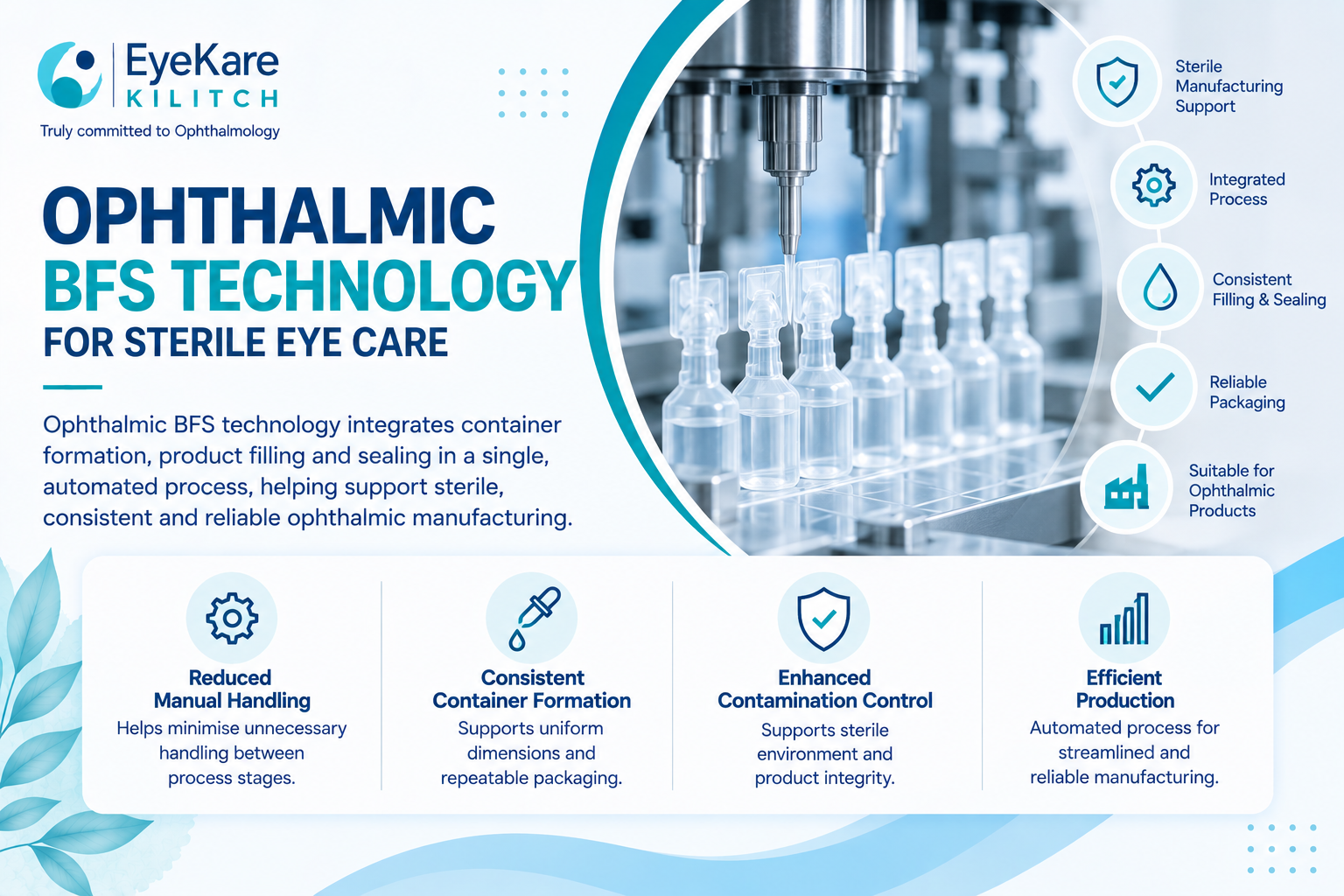
Ophthalmic medicines are intended for use in a sensitive environment, making formulation quality, sterility, packaging, stability, and controlled manufacturing important considerations.
EyeKare Kilitch focuses on ophthalmology-specific product development and manufacturing. The company reports more than 50 qualified scientists working across research and development and quality control, along with an in-house manufacturing facility designed around international standards. Its portfolio covers multiple ophthalmic therapeutic categories.
Why Choose EyeKare Kilitch?
EyeKare Kilitch is focused on ophthalmology and offers products across categories including antibiotics, NSAIDs, steroid combinations, lubricants, anti-glaucoma medicines, and other specialised formulations. Its portfolio includes products relevant to different stages and requirements of ophthalmic care.
The company also highlights technologies such as preservative-free ophthalmic formulations, accurate dosing, ready-to-use sterile packaging, and gel-drop technology. These approaches are designed to address specific formulation, administration, and patient-care requirements within ophthalmology.
Conclusion
Using the correct eye drops after eye surgery can be an important part of post-operative care when they are prescribed for the specific procedure and patient. Antibiotic, anti-inflammatory, and lubricating formulations may have different roles, while the treatment schedule depends on the ophthalmologist’s assessment and surgical protocol.
Patients should use prescribed medicines exactly as instructed, maintain clean handling, avoid touching the bottle tip to the eye, and attend recommended follow-up appointments. Any significant pain, sudden vision changes, worsening redness, or other concerning symptoms should be reported promptly.
With its focus on ophthalmic innovation and a broad therapeutic portfolio, EyeKare Kilitch develops products designed for diverse eye-care requirements. Appropriate product selection and professional guidance remain essential for safe post-operative eye care.